
Key Takeaways
- Independent play builds focus, problem-solving, and confidence over time.
- Play supports social-emotional growth and executive function.
- Clear routines, a “yes space,” and simple toy rotation make independent play easier to start.
- While toddlers often need short solo-play reps, preschoolers can stretch longer with practice.
- If your child struggles, start with “together first,” then step back in tiny increments.
Encouraging independent play in your toddlers and preschoolers can feel be frustrating for parents at times. You set out blocks, step away, and… your child follows you into the kitchen asking for snacks, help, or an audience.
You’re not doing anything wrong. Toddlers and preschoolers learn independent play the same way they learn anything else: with small, consistent practice and supportive boundaries.
And it’s worth the effort. The American Academy of Pediatrics highlights play as a key way children build social-emotional skills and self-regulation that support executive function.
Independent play isn’t about leaving kids alone. It’s about helping them feel safe and capable while they explore.
Below is a step-by-step approach you can use with toddlers and preschoolers—whether you’re juggling work calls in Austin or trying to get dinner started in San Antonio.
What Independent Play Looks Like by Age
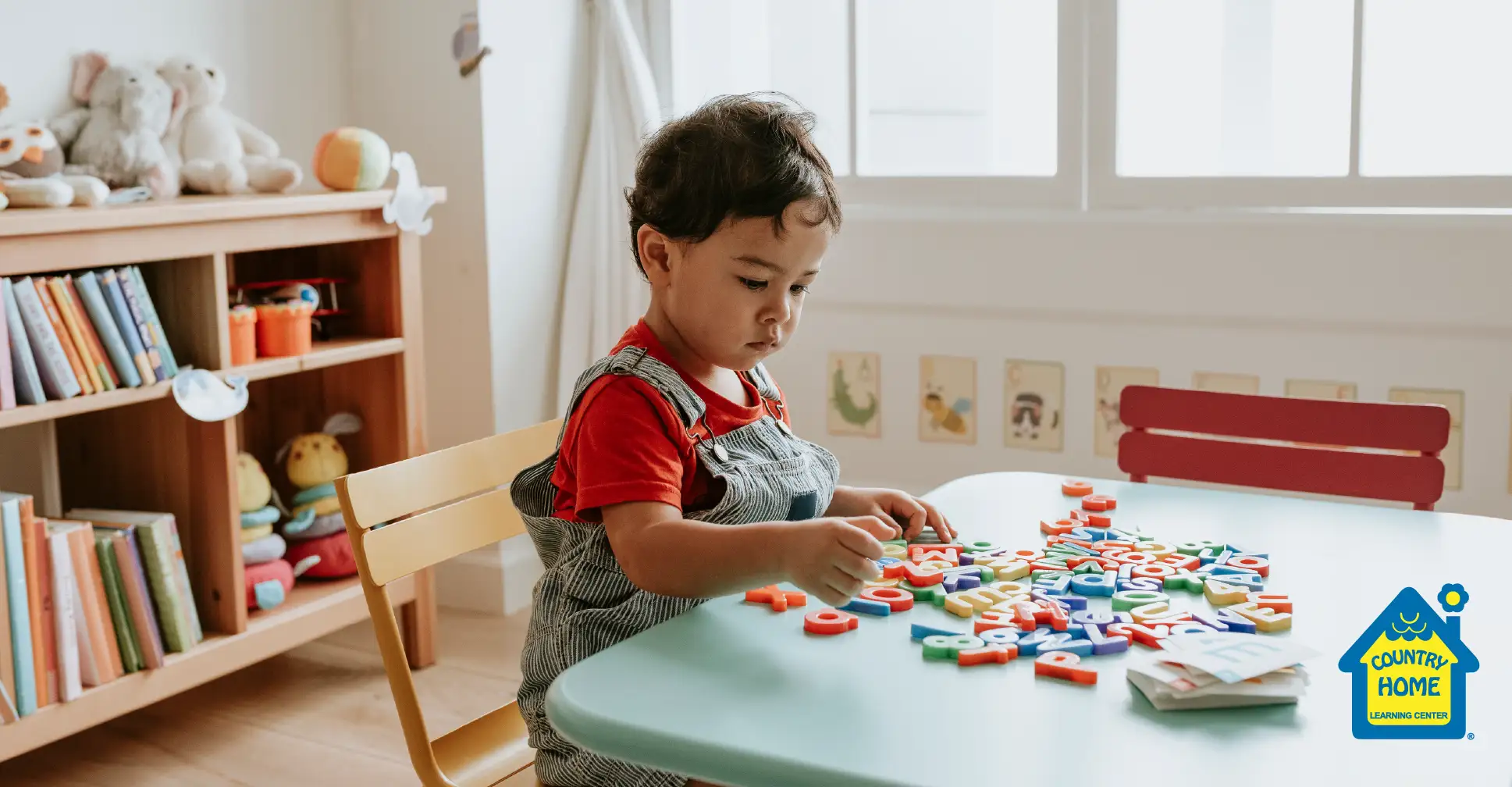
Independent play doesn’t mean “silent for an hour.” It means your child engages with a toy, activity, or pretend scenario without needing you to direct every moment.
Toddlers (ages 1–3)
- Short bursts are normal (2–10 minutes at first).
- They check in often to feel secure.
- They love copying real life (stirring, stacking, loading, dumping).
Preschoolers (ages 3–5)
- They can stretch longer with practice (10–30 minutes, sometimes more).
- Pretend play gets richer.
- They can follow simple play “missions” (build a zoo, set up a café).
CDC milestone guidance also reminds families to look at how children play as a key window into development.
Step-by-Step: How to Encourage Independent Play
Step 1: Set up a “yes space”
Independent play grows faster when the environment feels safe and predictable.
Aim for a small area where:
- You remove hazards and fragile items.
- You keep toy choices limited.
- Your child can explore without frequent “no’s.”
This matters in any home layout—apartment, townhome, or backyard-filled San Antonio house. Safety removes friction for both of you.
Quick tip: Put the play zone where your child can see you at first. Visibility builds confidence.
Step 2: Start with “together play,” then fade out
Many kids don’t jump straight into solo play. They need a warm start.
Try this:
- Sit and play for 2–3 minutes.
- Narrate one simple idea: “The cars can go to the garage.”
- Say what you’re doing next: “I’m going to fold towels. You keep driving.”
- Step back for 30–60 seconds.
- Return briefly, then step back again.
Harvard’s Center on the Developing Child describes how responsive back-and-forth interactions (“serve and return”) support healthy development. You can use the same rhythm for independent play: connect, then give space, then reconnect.
Step 3: Use fewer toys, not more toys
Too many options can overwhelm toddlers and preschoolers. Choice overload leads to dumping bins, not deep play.
Use a simple “3–5 item rule” in the play space:
- 1 building toy (blocks, tiles)
- 1 pretend prop (dolls, animals, play food)
- 1 vehicle or figure set
- 1 sensory item (kinetic sand, modeling clay, pom-poms)
- 1 book basket (optional)
Toy rotation helps too. Store half the toys and swap weekly. Kids often play longer with “old” toys when they feel new again.
Step 4: Give a clear play “job”
Some children play longer when they have a mission.
Try prompts like:
- “Can you build a house for the bear?”
- “Can you make a line of cars from here to the rug?”
- “Can you cook a pretend lunch for your stuffed animal?”
Keep it simple. Then step back.
Step 5: Practice at the same time every day
Independent play responds well to routine. Pick a daily time when your child has a:
- Full belly
- Clean diaper or potty break
- Decent mood
Common “wins”:
- After breakfast
- After outdoor time
- Before dinner prep
Start with a small goal:
- Toddlers: 3–5 minutes
- Preschoolers: 7–10 minutes
Add 1–2 minutes every few days.
Consistency beats intensity. Tiny daily reps build confident, capable play.
Step 6: Keep your “check-ins” boring
If every check-in becomes a big reaction (“Wow!! Amazing!!”), kids may play for your attention.
Instead:
- Smile.
- Name what you see: “You stacked three blocks.”
- Return to what you were doing.
Calm attention supports independence.
Step 7: Handle interruptions with a simple script
When your child pulls you back in, try a short, repeatable phrase.
Examples:
- “You can try first.”
- “Show me what you want to do.”
- “I’ll help in two minutes.”
- “I’m nearby. You’re safe.”
For toddlers, pair words with a visual timer. For preschoolers, offer a choice:
- “Do you want to keep building or switch to puzzles?”
Common Roadblocks (and What to Do)
“My child says they’re bored”
Boredom can be the doorway to creativity. Pause before fixing it.
Try:
- “I wonder what you could make with those blocks.”
- “What does your animal need today?”
Then step back.
“My child wants screens instead”
Independent play can compete with screens when the play space feels inviting and calm.
- Put screens away during the daily independent play block.
- Offer sensory or pretend play first.
- Keep play setup simple and ready to go.
“My child melts down when I step away”
Go smaller. Try 30 seconds of space, then return. Build slowly.
A Note on Learning Environments
Children often build independence faster when they experience a steady mix of warmth and structure. In well-run early learning classrooms, teachers guide play with gentle routines, clear expectations, and encouraging language—then give children room to explore and solve problems on their own.
That same balance works at home, too: connect first, then step back.
FAQs: Independent Play for Toddlers & Preschoolers
Q: How long should independent play last?
A: Start small.
- Toddlers: 3–10 minutes
- Preschoolers: 10–30 minutes
- Build up with daily practice.
Q: Is independent play the same as ignoring my child?
A: No. Independent play works best when a caring adult stays nearby and responsive, especially at first. Harvard’s “serve and return” concept highlights how responsive relationships support healthy development.
Q: What toys work best for independent play?
A: Open-ended toys tend to last longer:
- Blocks
- Modeling clay
- Pretend food
- Animals and people figures
- Simple vehicles
Rotate to keep interest high.
Q: What if my child only plays alone at school, not at home?
A: Home routines differ. Siblings, screens, and parent availability change the feel. Use the “together first, then fade out” method and keep the schedule consistent for 2–3 weeks.
Q: Does independent play help development?
A: Yes. The American Academy of Pediatrics notes play supports social-emotional development and self-regulation skills tied to executive function.