
Key Takeaways
- Kids learn kindness and empathy through daily experiences and guidance.
- Modeling kind behavior is one of the most effective teaching tools.
- When preschoolers can recognize emotions in themselves and others, they learn empathy.
- Consistent reinforcement helps build compassion, respect, and emotional understanding.
- Social interactions and play are natural opportunities to practice empathy.
Kindness and empathy form the foundation of how children interact with the world around them. Preschoolers are just starting to understand emotions, develop social awareness, and form meaningful relationships. Parents, teachers, and caregivers can teach kindness and empathy by helping children learn to care for others, manage emotions, and build positive connections.
The preschool years are a prime time to nurture these values through role modeling, everyday interactions, and guided learning.
Understanding Kindness and Empathy
While similar, there is one main difference between the two:
- Empathy is the ability to recognize and understand another person’s feelings.
- Kindness is the action that comes as a result of that understanding.
Empathy is not something that comes naturally for preschoolers; they develop it over time as they learn to identify emotions and respond in appropriate ways.
As a caregiver, you can drive this lesson home by helping them explore their emotions and realize how they affect behavior. Once children start to recognize their own emotions, they can then recognize and respond to emotions in others.
Emotional Awareness
Preschool classrooms can be a catalyst for emotional learning by offering books, visuals, and conversation. Some things you can do as a teacher to instill emotional learning is to:
- Put a name to each emotion as it occurs.
- Encourage students to express their feelings with words
- Read stories that explore emotions
- Use emotion charts or facial expressions to characterize feelings
Children at this age need to understand that emotions are normal, and more importantly – that they can be managed. The ideal result is a compassionate response to others’ feelings.
Modeling Kind Behavior
Preschoolers observe the adults around them to form their opinions of the world. They are always watching, waiting to pick up cues like a sponge, as their teachers and parents demonstrate kindness, patience, and respect.
Engage in simple actions to model kind behavior:
- Use polite language
- Listen actively
- Offer help
- Express appreciation
Instead of preaching to kids what kindness looks like, show them. When the adults around them can calmly resolve conflicts and acknowledge emotions, preschoolers are more apt to learn empathy through natural channels.
Kindness Through Play
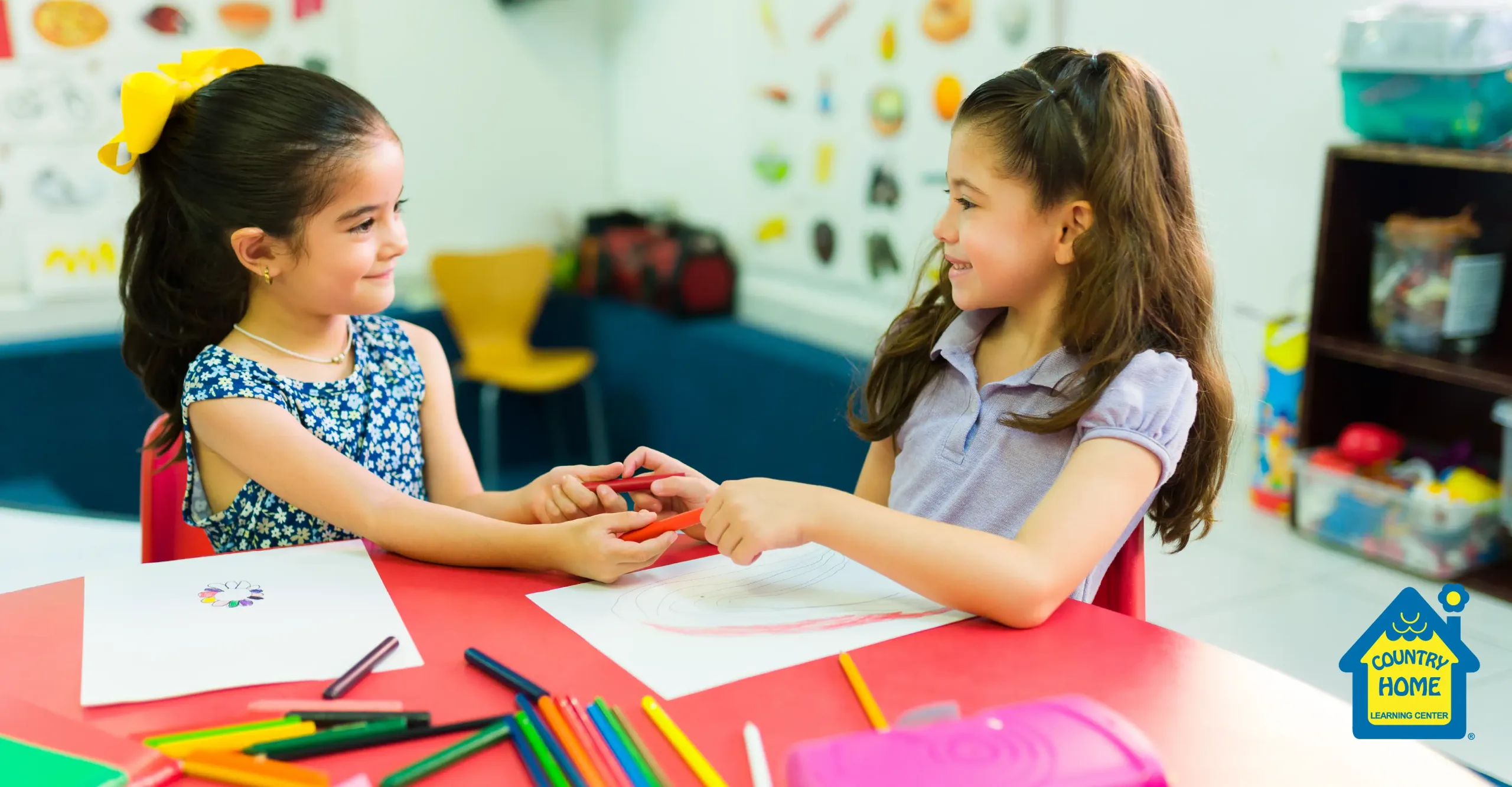
It’s important to preserve playfulness while immersed in a world dominated by structure and academic pressures, which gives preschoolers a natural outlet for practicing empathy and kindness. Group activities in particular help them learn cooperation, sharing, and problem-solving skills.
Through play, kids can learn how to:
- Take turns and wait patiently
- Help peers during challenging activities
- Negotiate roles and rules
- Comfort friends when things don’t go their way
Empathy Through Stories
Books allow children to explore different situations, emotions, and perspectives in a safe and engaging way. Reading the book is the first step. The second is to have a discussion about it afterwards. This is where empathy can be built most effectively.
To help children connect emotions to actions and understand the impact of kindness, ask questions like:
- How did the character feel?
- Why do you think they felt that way?
- What would you do in the same situation?
Positive Behavior Reinforcement
Positive reinforcement doesn’t have to involve grand gestures – even simple acts can be impactful. You can reinforce empathy when you:
- Encourage children to notice kind acts in others
- Praise specific actions (i.e., sharing, helping)
- Call out moments of kindness during group time
With consistent acknowledgement of kind acts, empathy can be honored and appreciated.
Kind Classroom Culture
Creating a classroom culture of kindness helps children feel valued and respected, increasing the chances that they will extend the same courtesy to others.
Here are some examples on how to create a culture of kindness:
- Set clear expectations for respectful behavior
- Celebrate differences with inclusive activities
- Offer opportunities for collaboration and teamwork
Conflict Resolution
Conflicts can’t be ignored; they are a part of life no matter how old we are. But when you can use those instances to teach empathy and problem solving, you can harness these valuable learning opportunities as they happen.
Teachers and parents can:
- Help children express their feelings in a healthy way
- Encourage active listening and understanding
- Settle on fair solutions together
Don’t avoid conflict; rather, embrace it and use it as a teachable moment.
A Foundation for Lifelong Compassion
Through modeling, guided interactions, emotional learning, and supportive environments, preschoolers can learn how to develop empathy naturally as they build and forge lifelong relationships. By nurturing compassion early on, preschoolers are better positioned to grow into confident and caring individuals.