
Key Takeaways
- Grandparents play a powerful role in early childhood development, especially in language, social skills, and emotional growth.
- Children with engaged extended family members often show stronger literacy and communication skills.
- Simple, consistent interactions such as reading or storytelling can boost preschool learning.
- Structured yet flexible involvement helps grandparents feel confident and effective in supporting learning.
- Intergenerational relationships support both academic readiness and emotional well-being.
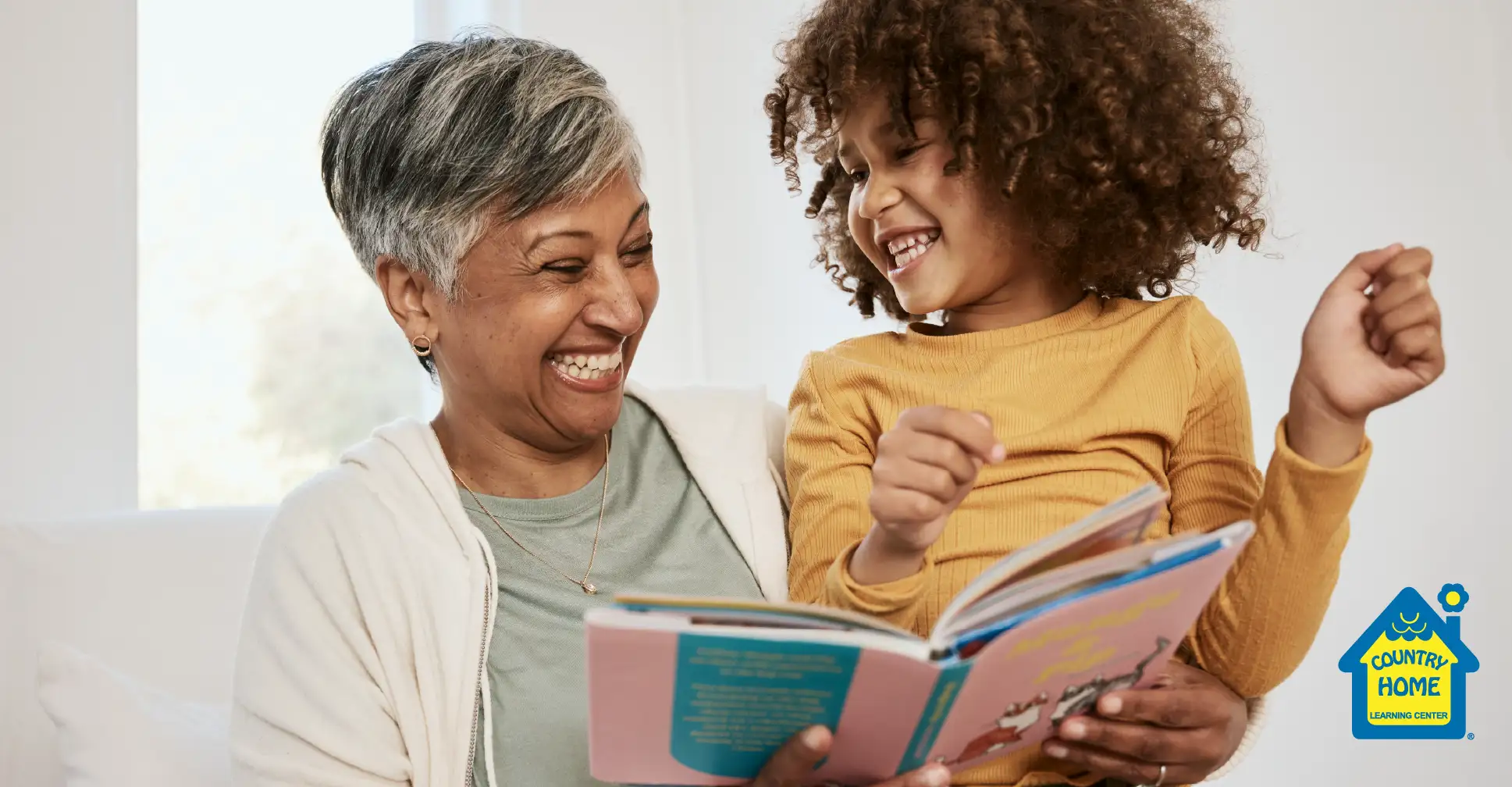
Beyond the classroom, preschool learning is bolstered by the relationships surrounding a child. Parents and teachers are central figures in the learning process, but grandparents also offer a valuable component of early education. Time, patience, and life experience help to form deep emotional connections that can fuel learning.
In many families—including those in Austin and San Antonio—grandparents are active caregivers or regular companions, enriching the child’s development in meaningful ways. In fact, research suggests that children who spend more time with family members such as grandparents develop stronger language skills and social confidence—both of which are critical during the preschool years.
Why Grandparents Matter in Early Learning
Grandparents often approach learning differently than parents, offering a more relaxed and attentive experience with their grandchildren than parents who may be overwhelmed with daily pressures. Research shows that children in multi-generational caregiving environments may demonstrate:
- Stronger vocabulary development
- Improved emotional regulation
- Increased sense of security
Additionally, the intergenerational bond itself boosts confidence. When children are surrounded by trusted adults, they are more likely to take creative risks, ask questions, and engage in learning.
Relationships are the foundation of learning—especially in early childhood.
Grandparents also serve as storytellers, historians, and cultural bridges, offering perspectives that enrich a child’s understanding of the world.
Make Learning Part of Everyday Activities
Everyday moments can become learning opportunities as together they can naturally build skills such as vocabulary, counting, sequencing, and problem-solving. Grandparents can support those valuable opportunities by:
- Reading books together
- Cooking simple recipes
- Taking walks and talking about nature
- Playing board games or puzzles
Learning doesn’t need to be formal to be effective—connection is what makes it all come together.
Support Language & Literacy Development
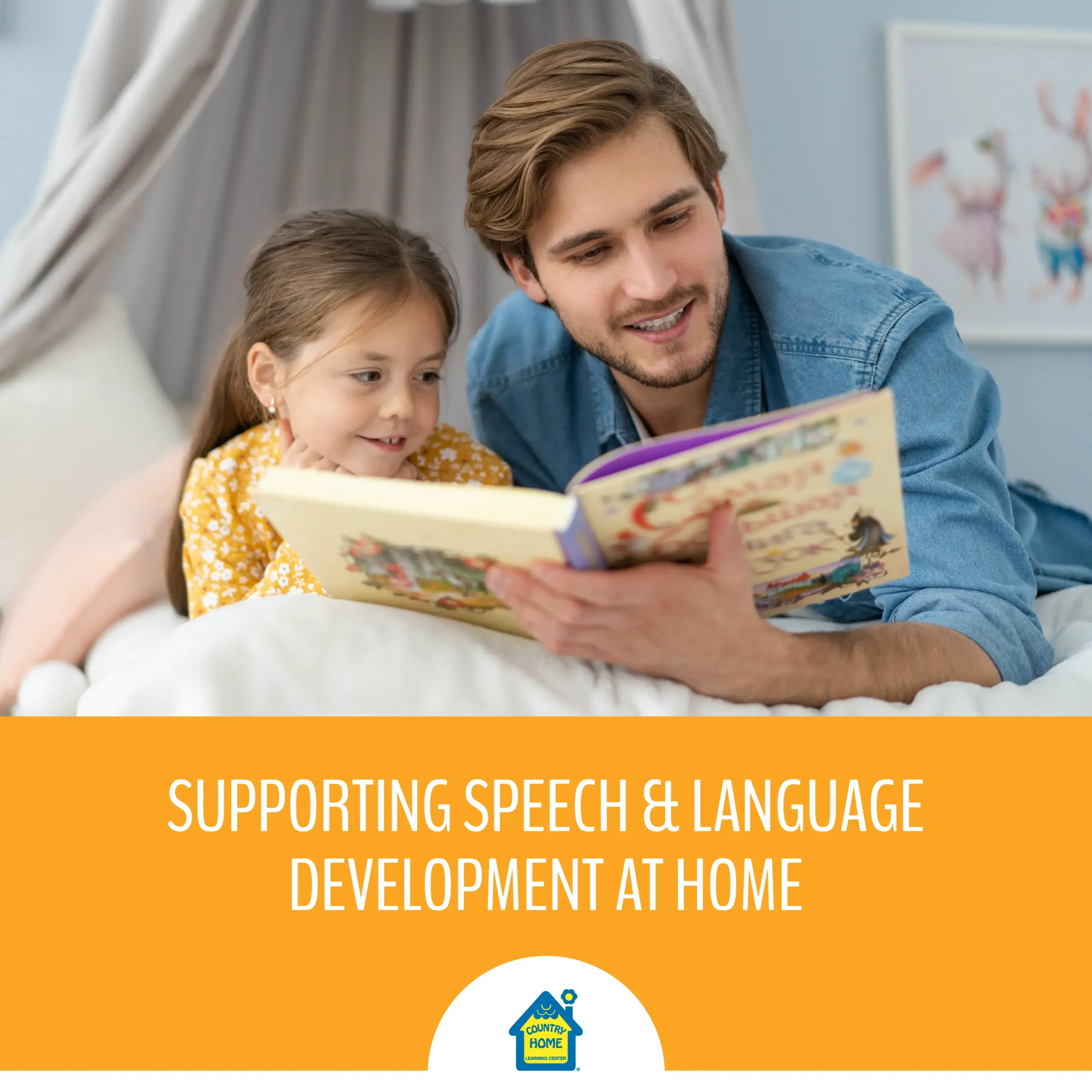
Through conversations, storytelling, and reading aloud, grandparents can contribute to stronger literacy skills. Did you know that young children whose parents and grandparents read them five books a day enter kindergarten having heard about 1.4 million more words than those who were never read to?
Tips for grandparents include:
- Reading together every day, even for just 10–15 minutes
- Asking open-ended questions during stories
- Sharing family stories or memories
- Singing songs or reciting rhymes
Even simple back-and-forth conversations can foster critical communication skills.
Encourage Play-Based Learning
Kids learn through play, and engaged grandparents make the best play partners. Learning through play helps kids learn creativity, problem-solving abilities, and social skills. Try:
- Pretend play (kitchen, store, or dress-up)
- Building with blocks or puzzles
- Arts and crafts
- Outdoor games
You don’t need special materials, expensive supplies, or training; all grandparents need to fuel this fire is a willingness to engage and follow the child’s lead.
Play is not a break from learning—it is learning.
Bridge Generations Through Storytelling
Sharing personal stories can strengthen listening skills, imagination, and a sense of identity in children. Grandparents can share the following on a daily basis to build cultural awareness and help children understand their place in a larger family narrative:
- Childhood experiences
- Family traditions
- Historical events they lived through
- Lessons they have learned
Provide Simple Guidance & Resources
If grandparents are hesitant about what they should share and when, give them simple guidance such as:
- Share a weekly list of easy activities
- Recommend age-appropriate books
- Offer tips for encouraging conversation and curiosity
- Suggest educational games or routines
It doesn’t have to be perfect or last for hours. In fact, the goal is to empower—not overwhelm. Keep it simple and young children will soak it up.
Many preschools and learning centers in Austin and San Antonio provide simple activity guides to help families extend learning at home.
Stay Connected With Technology
Even grandparents who don’t live close to their families can participate. Ideas include:
- Video calls for storytime
- Sharing photos or videos of activities
- Reading the same book together remotely
- Playing simple online games
Even virtual interactions can be valuable in supporting the learning process while strengthening emotional connections—despite geographical differences.
Create Consistent Routines
Consistency gives preschoolers the security and confidence they need to pick up good learning habits. Establish simple routines such as:
- Daily reading times
- Weekly baking or craft sessions
- Regular walks or outings
Predictable routines create a sense of safety—and a space where learning can thrive.
Celebrate Effort & Curiosity
Encouragement and patience are two important traits that many grandparents share. These traits can help form an early love of learning when you:
- Celebrate effort over results
- Ask questions instead of giving answers
- Show genuine interest in the child’s ideas
Balance Guidance With Flexibility
Keep it light and flexible. Too much structure can seem forced. Let the learning happen naturally through conversation, play, and shared experiences.
- Follow the child’s interests
- Be spontaneous
- Focus on connection first, learning second
In order to get the most out of the interactions, children need to enjoy the process.
FAQ: Engaging Grandparents in Preschool Learning
Q: Why is it important to involve grandparents in early education?
A: Grandparents provide additional emotional support, language exposure, and learning opportunities—strengthening both academic readiness and social development.
Q: What if grandparents feel unprepared to help with learning?
A: Keep it simple with activities such as reading, talking, and playing. Provide them with easy ideas and reassurance to boost their confidence.
Q: How much time should grandparents spend on learning activities?
A: Even short, consistent interactions—15 to 30 minutes a day—can have a meaningful impact.
Q: Can grandparents help even if they live far away?
A: Yes. Video calls, virtual storytime, and shared activities can still support learning and maintain strong connections.
Q: What are the best activities for grandparents and preschoolers?
A: Reading, storytelling, play-based activities, and everyday tasks like cooking or walking together are all highly effective.
Q: How can we make learning enjoyable for both grandparents and children?
A: Focus on connection and shared experiences. Let the child’s interests guide activities, and keep the atmosphere relaxed and fun.
Grandparents: A Powerful Support System
For families in Austin, San Antonio, and beyond, engaging grandparents in preschool learning allows them to bring a unique perspective, patience, and love to the experience. This makes it easy and natural to turn everyday moments into meaningful learning opportunities that build core skills, boost confidence, and solidify lasting connections.