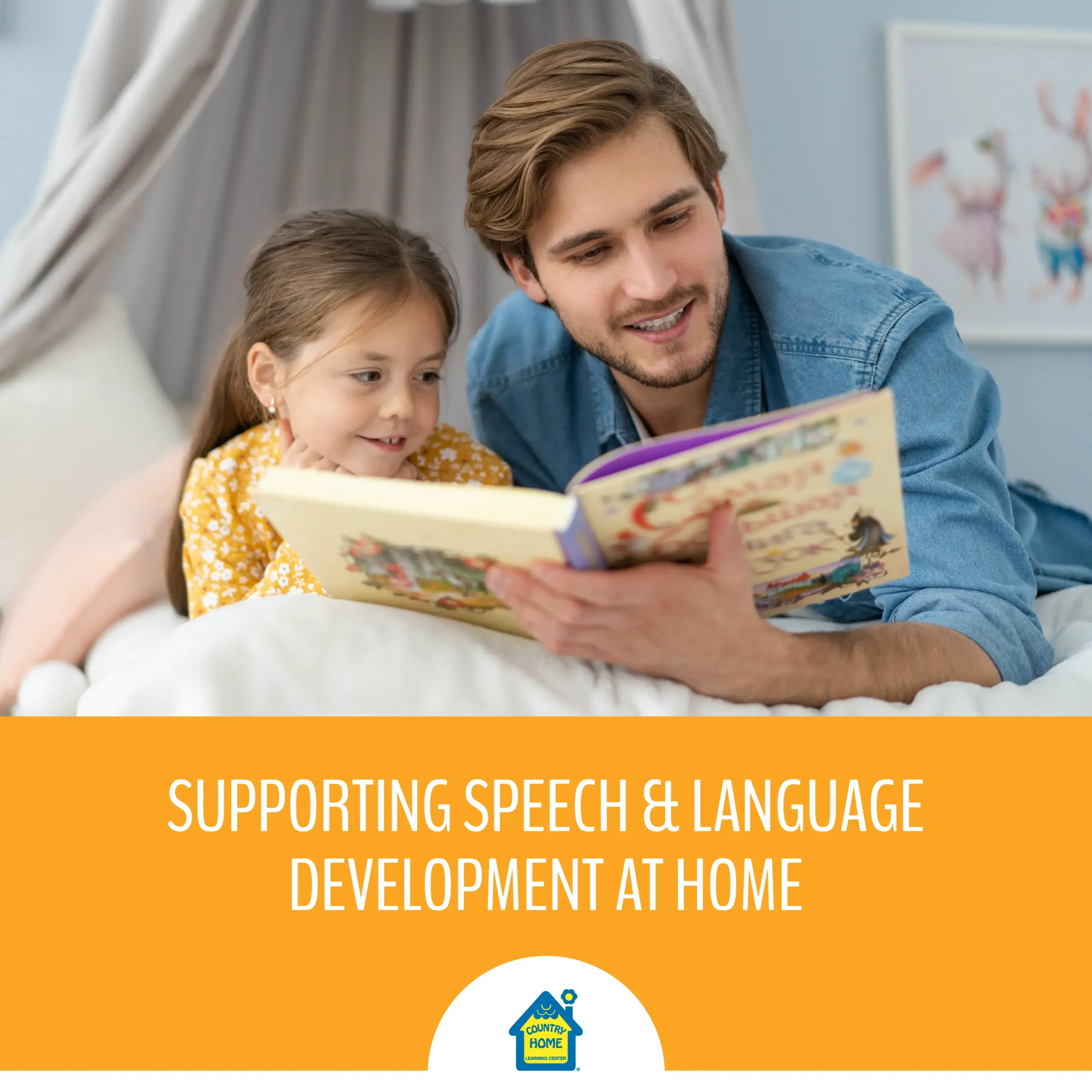


Reading aloud to children is an extremely valuable activity that parents, caregivers, and teachers can engage in with young learners. Whether you’re looking through a picture book, reading a chapter from a novel, or snuggling with a bedtime story, the act of reading aloud can be very beneficial. In fact, reading daily to young children can help with language acquisition, social skills, communication skills, and literacy skills, according to All For Kids.
Today we’ll talk about the many benefits of reading aloud to your child, and how this regular practice can enhance their language skills, strengthen parent-child relationships, and promote a lifelong love of learning.
Reading aloud to kids can:
1. Improve Language Development
The positive impact on language development is one of the biggest advantages of reading aloud. From a very young age, children are exposed to new vocabulary, concepts, and sentence structures that will help them develop a strong foundation in language. According to Child Mind Institute, young children whose parents read to them every day are exposed to at least 290,000 more words by the time kindergarten rolls around than kids who are not read to regularly.
Research also shows that children whose caregivers read to them regularly have a larger vocabulary, greater ability to express themselves, and a better understanding of sentence structure.
2. Promote Cognitive Development
Language development is the precursor to reading. As such, listening to adults read to them is an important contributor to children’s brain development, says Reading.com. Because babies pick up verbal language spoken by those around them, reading and speaking to your infant is crucial for language development.
Through read-alouds, kids can develop essential cognitive skills, such as memory, critical thinking, and problem-solving. As parents, this gives you an opportunity to ask open-ended questions, encouraging your child to ponder the plot, themes, and characters involved in the story.
3. Enhance Listening Skills
These days, there are so many distractions inherent in this digital age. This can make it challenging to teach children to focus on a story without interruption. But when you read aloud to a child, they are more apt to listen attentively. Then, as they focus their attention on the spoken word, they also start to learn how to both process and retain information. Kids can more easily follow a plot, understand the emotions of the characters, and recall details as the narrative unfolds. The result? Better listening comprehension in school as they grow older.
4. Support Emotional and Social Development
Many of today’s children’s books focus on themes such as friendship, kindness, empathy, and problem-solving. This gives kids the opportunity to learn about different emotions and situations in a controlled, safe environment. They can also gain insights into how others feel and how they themselves would respond in social situations. They are exposed to various character traits, while developing an understanding of different perspectives and exploring the complexities of relationships.
5. Encourage a Love of Books
If you want to cultivate a love of books and reading, be sure to read aloud to a child. That’s because when they experience stories in an engaging and interactive way, children will associate reading with enjoyment rather than as a chore. This is a positive association that helps them nurture a lifelong passion not only for books but for learning as well.
Plus, as they get older, this habit of being read to can morph into a love of independent reading. Not only will they seek out books on their own, they will be eager to discover new stories and information.
6. Build Stronger Parent-Child Relationships
Reading aloud to kids gives parents and caregivers an opportunity to connect with their children. This quiet, focused time paves the way for one-on-one interaction away from the distractions of the outside world. Parents can communicate their own values and reinforce important lessons through shared stories.
Reading aloud also creates a sense of security for children, as they realize their caregiver will be there to guide them through the world of stories.
In the end, when you incorporate the habit of reading aloud into your daily routine, you are doing your part to support your child’s cognitive, emotional, and social development. In addition, this fosters a stronger bond between parent and child, whether you’re reading to enhance language skills, encourage a love for books, or build strong relationships. Think about all these untold benefits the next time you pick up a book to read with a child or are asked “Mom, will you read to me?”.
Take a Tour of Country Home Learning Center Today
Here at Country Home Learning Center, we greatly value the importance of reading aloud to children and incorporate this into our everyday activities. Contact us today to schedule a tour!