
Key Takeaways
- A preschool tour provides valuable insight into a school’s environment, staff, and daily routines.
- Classroom cleanliness and safety should be top priorities.
- Teacher-child interactions can reveal a great deal about the quality of care and education.
- A strong preschool program balances learning, creativity, play, and social development.
- Communication between families and staff is an important factor to evaluate.
- Asking questions during a tour can help you determine whether a preschool is the right fit for your child.
Choosing a preschool is one of the first major educational decisions parents make for their children. While websites, brochures, and online reviews can be helpful, nothing compares to seeing a preschool in person. A campus tour in Austin or San Antonio can give families valuable insight into the learning environment, with the opportunity to meet teachers and gain a better understanding of what their child’s daily experience may look like.
According to the National Center for Education Statistics (NCES), roughly 4 to 5 million children are enrolled in preschool and other preprimary programs in the United States each year.
With so many options available, knowing what to look for during a tour can help you make a confident and informed decision. Here are some of the most important factors to consider during your visit, before enrolling.
Observe the Classroom Environment
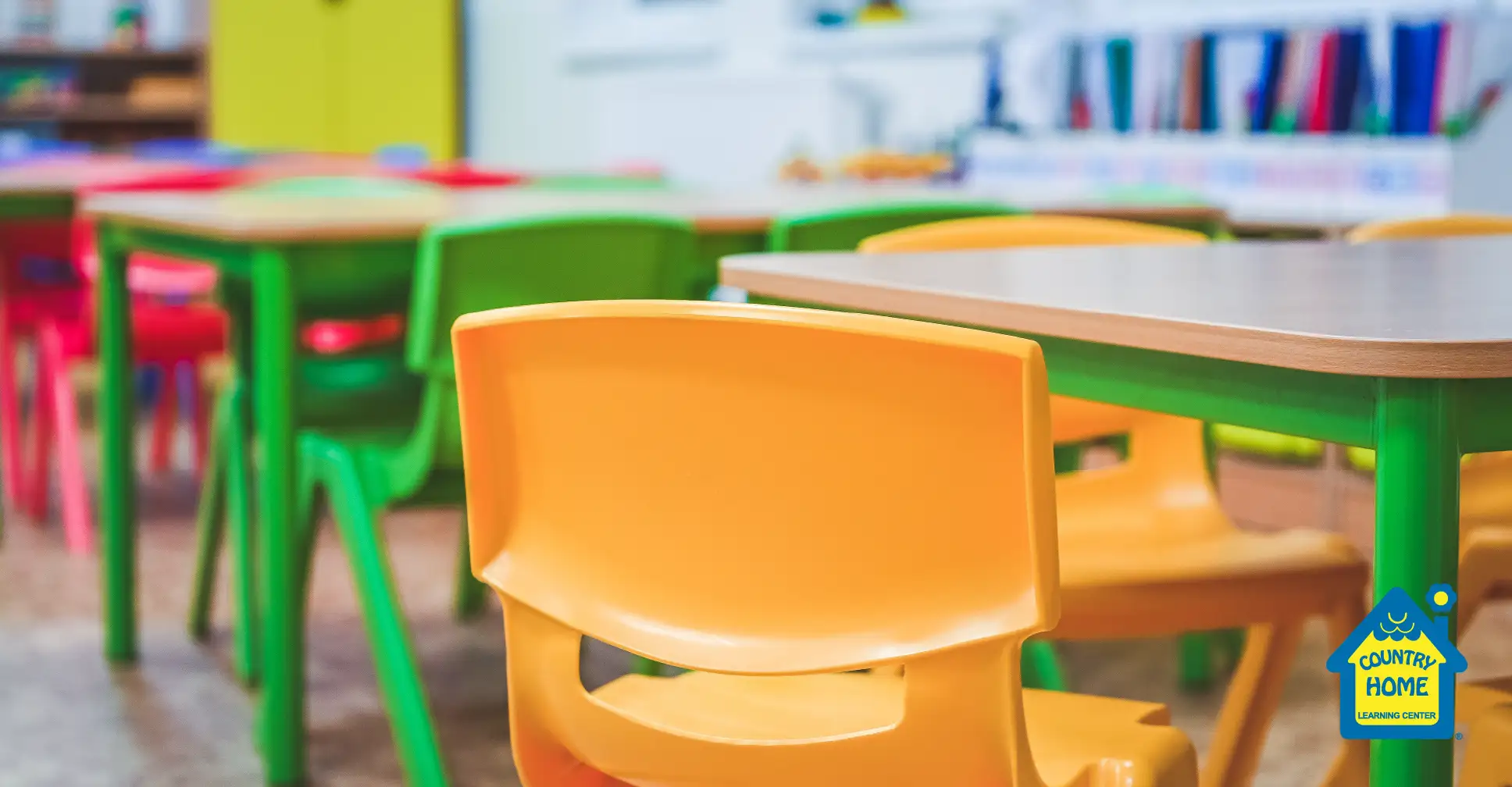
The classroom is where your child will spend most of their day, so pay close attention to the overall environment.
Look for classrooms that are:
- Clean and well-organized
- Bright and welcoming
- Age-appropriate
- Equipped with a variety of learning materials
- Designed to encourage exploration and creativity
Educational materials should be easily accessible to children, and activity centers should promote hands-on learning. Books, puzzles, art supplies, sensory activities, and building materials can all support early childhood development.
A well-designed classroom often reflects a preschool’s commitment to creating engaging learning experiences.
Pay Attention to Teacher-Child Interactions
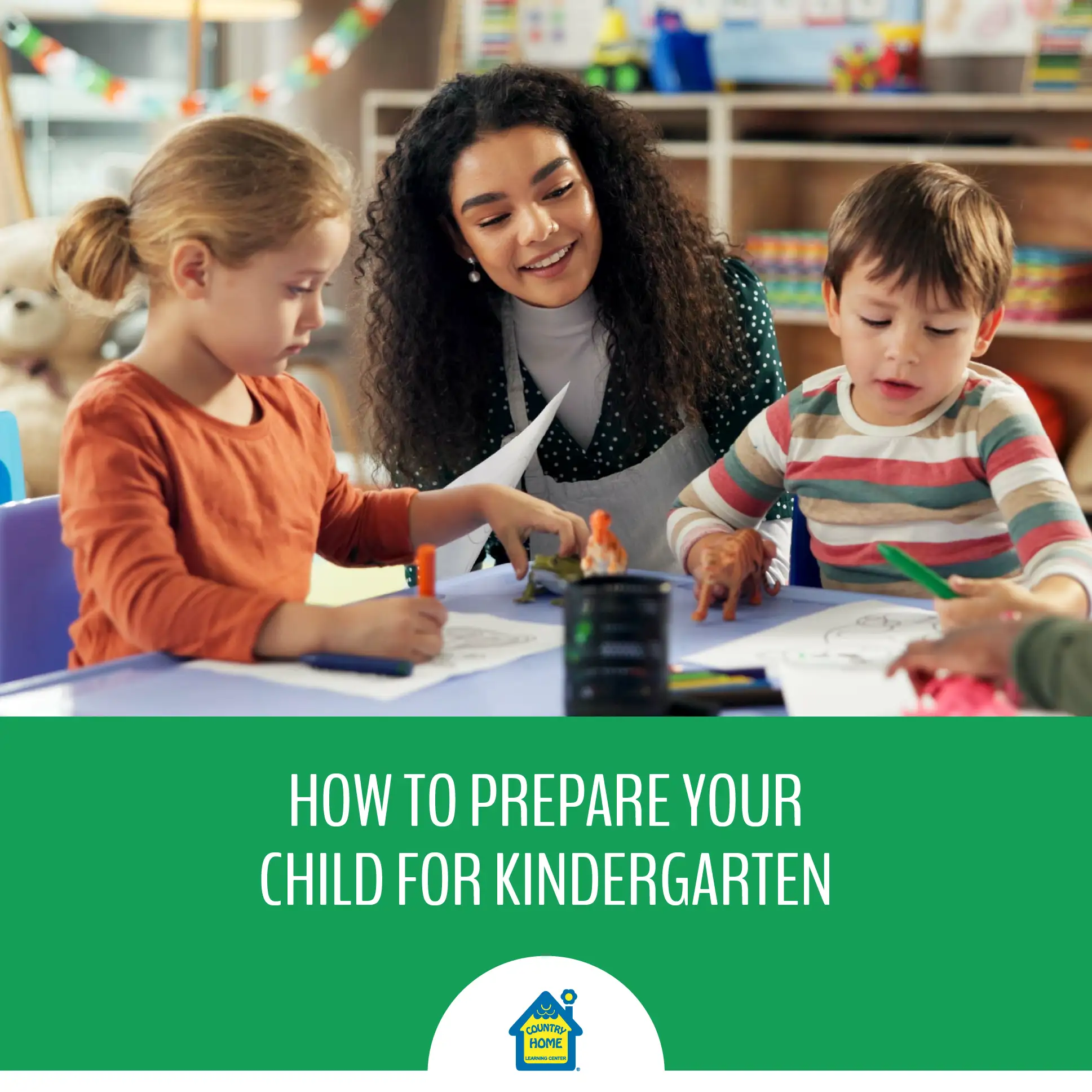
One of the most valuable aspects of a preschool tour is observing how teachers interact with children. Make sure teachers:
- Speak respectfully and positively
- Get down to children’s eye level when communicating
- Encourage curiosity and participation
- Respond patiently to questions and challenges
- Foster a supportive and nurturing environment
Research shows that positive teacher-child relationships support children’s social, emotional, and academic development during early childhood.
Ask About the Curriculum
While preschool should be fun and engaging, it should also support school readiness and developmental growth.
Ask questions such as:
- What curriculum does the preschool follow?
- How are literacy and early math skills introduced?
- How much time is devoted to play-based learning?
- How are social and emotional skills incorporated into daily activities?
The best preschool programs often combine structured learning opportunities with hands-on exploration and play.
In fact, studies show that high-quality early childhood education can positively impact academic achievement, social skills, and long-term educational outcomes.
Evaluate Safety & Security Measures
Safety is often one of the biggest concerns for parents, and a preschool tour is the perfect time to ask about security procedures.
Ask about:
- Visitor check-in policies
- Classroom supervision
- Emergency preparedness plans
- Playground safety
- Staff training and certifications
A preschool that prioritizes safety will typically have clear policies and procedures in place and be happy to explain them.
Explore Outdoor Play Areas
Outdoor play is an essential part of early childhood development.
The CDC notes that regular physical activity helps support healthy growth and development in young children. Outdoor play also encourages social interaction, creativity, and problem-solving skills.
During your tour, look for:
- Secure fencing
- Age-appropriate equipment
- Clean and well-maintained play spaces
- Shaded areas
- Opportunities for active play and exploration
A quality preschool understands the importance of balancing classroom learning with outdoor experiences.
Consider Class Size & Teacher Ratios
Class size can significantly influence a child’s preschool experience. Smaller class sizes and appropriate teacher-to-child ratios often allow for:
- More individualized attention
- Better classroom management
- Stronger relationships between teachers and children
- Greater opportunities for participation
Be sure to ask about enrollment numbers and staffing levels for your child’s age group.
Learn About Communication With Families
A strong partnership between parents and educators can contribute to a positive preschool experience.
Ask how the school communicates with families regarding:
- Daily activities
- Milestones and progress
- Upcoming events
- Behavioral concerns
- Health and safety updates
Many preschools now utilize parent communication apps, newsletters, emails, and conferences to keep families informed.
Open communication helps create consistency between home and school while supporting each child’s development.
Observe the Children
While no classroom is perfect all the time, a positive atmosphere is often easy to recognize. Children who feel secure and supported are more likely to participate, explore, and build confidence.
As you tour the facility, observe whether children appear:
- Engaged in activities
- Comfortable with teachers
- Happy and curious
- Respectful of others
- Interested in learning
Ask About Daily Schedules
A predictable routine helps young children feel secure and understand expectations.
Ask to see a typical daily schedule and look for a balance of:
- Learning activities
- Free play
- Outdoor time
- Meals and snacks
- Rest periods
- Group activities
The best preschool schedules provide structure while allowing flexibility to meet children’s needs.
Trust Your Instincts
Facts, policies, and curriculum details are all important, but your overall impression matters too.
After the tour, ask yourself:
- Did the environment feel welcoming?
- Were staff members approachable?
- Could you envision your child thriving there?
- Did the school’s philosophy align with your family’s values?
Finding the right preschool is about more than checking boxes. It’s about choosing a place where your child can learn, grow, explore, and build confidence every day.
If you’re comparing preschool options, taking the time to tour each facility can provide valuable perspective and help you find the learning environment that feels right for your family.
FAQs About Preschool Tours
Q: How long does a preschool tour usually take?
A: Most preschool tours last between 30 and 60 minutes, depending on the size of the facility and the number of questions families have.
Q: What questions should I ask during a preschool tour?
A: Consider asking about curriculum, teacher qualifications, safety procedures, communication methods, class sizes, and daily schedules.
Q: Should I bring my child on the preschool tour?
A: Many schools encourage parents to bring their children so they can observe how the child responds to the environment and staff.
Q: What is a good teacher-to-child ratio in preschool?
A: Ratios vary by age group and state regulations. Lower ratios often allow teachers to provide more individualized attention.
Q: How can I tell if a preschool is high quality?
A: Look for positive teacher-child interactions, a safe and engaging environment, qualified staff, age-appropriate learning activities, and strong communication with families.
Q: Why is outdoor play important in preschool?
A: Outdoor play supports physical development, social skills, creativity, and overall well-being while giving children opportunities to explore and learn through movement.
Q: How many preschool tours should I schedule?
A: Touring multiple preschools can help you compare programs, environments, and teaching philosophies before making a decision.