
Key Takeaways
- Children benefit from guidance, modeling, and practice.
- Playgrounds and playdates help with social exploration and relationship-building.
- Emotion coaching helps kids understand, express, and manage feelings.
- Creative group activities such as storytelling, arts, or team-building games promote cooperation and empathy.
- Curiosity and confidence help kids take social risks and bounce back from peer setbacks.
- Conflict resolution teaches kids through role-play and calm communication as friendships naturally evolve.
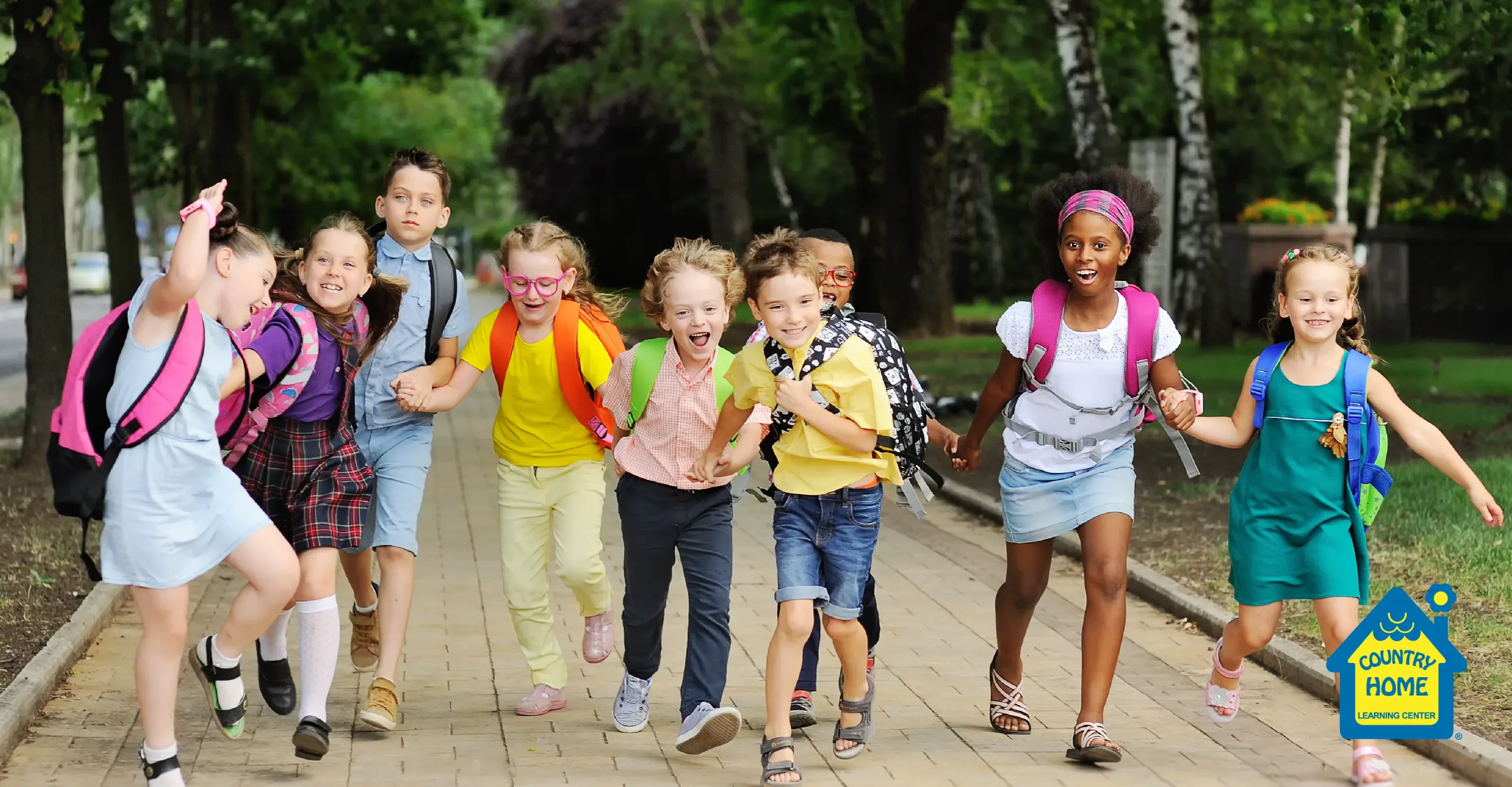
Healthy friendships form the foundation of a child’s emotional development and well-being. They learn empathy, collaboration, self-expression, and resilience through the bonds of friendship, and as parents and caregivers, we can support that journey. Here are some tips to help kids from preschoolers to grade-schoolers and beyond create meaningful, lasting connections.
Friendship Is a Skill—Not Just a Result
of Circumstance
Many parents assume friendships happen naturally—but in truth, friendship-building is a learned skill. Young children are still learning how to notice and respond to social cues, regulate strong emotions, share attention, and navigate conflict. They need space to practice—and gentle guidance when they stumble.
Build Social Confidence Through Play
From hosting small playdates to using outdoor time strategically, you can help your kids build social confidence through play:
- Host small, manageable playdates: Social activities are best enjoyed in small, manageable chunks. Invite one or two of their friends over for free-play experiences, focusing on simple setups such as blocks, puppets, or imaginative props. While these activities spark interaction, they don’t necessarily invite competition. If you see anyone struggling to share or take turns, step in and ask to join in or mediate.
- Use playgrounds and outdoor time wisely: Playgrounds are basically social laboratories, giving kids a chance to take turns on slides, play pretend group games, and make spontaneous introductions. Kids need these unscripted moments so they can learn collaboration, improvisation, and community out in the wild.
Encourage Emotion Coaching and Awareness
Children don’t always know how to express themselves when they are feeling overwhelmed, excluded, shy, or hurt. When not expressed in healthy ways, these suppressed emotions can keep them from forming strong friendships.
- Practice empathy through storytelling: Read books about characters who experience conflicts or celebrations in friendships. Then ask your child if they have ever felt that way, and what they would do in that situation.
- Label feelings in moments of calm: When you see your child taking turns or sharing, use positive phrases such as “It looks like everyone is having fun here. That’s a great way to make friends!”. If you see them struggling to get along or acting out, gently ask: “You look upset—are you feeling left out of the group?”
These strategies help to build emotional literacy and set the stage for emotional reciprocity.
Making the Connection With Creative
Group Activities
Creatively structured group activities build social bonds naturally rather than being taught in a formal classroom setting. Here’s what you can try:
- Encourage collaboration: From mural painting to building a LEGO town, use these shared goals to encourage leadership and shared praise.
- Try role-playing: Imaginative play breeds creativity and collaboration, helping shy children embrace social roles organically.
Compassion, Curiosity, and Confidence: The Friendship Trifecta
All healthy relationships require a balance of empathy, assertiveness, and curiosity. You can help that along by:
- Encouraging gentle conversation starters: Help kids approach others with simple phrases such as: “Can I play with you?” or “What game are you playing?”.
- Praising social risk-taking: Praise successes, to be sure. But you should also be recognizing bravery. Even if a child was invited to play, but it didn’t work out the way they’d hoped, praise them for being courageous enough to take the initiative.
Teach Conflict Resolution
No friendship is without at least some periods of brief conflict. It’s more important to know how to get through those tough times and move on.
- Role-play common scenarios: Practice calmly saying things like “That really hurt my feelings.” When you arm them with the emotional vocabulary to speak how they’re feeling, you’re showing them how to react in tense moments without lashing out.
- Teach boundary-setting: Phrases like “I’m upset right now, so let’s take a break and come back when I’ve cooled off.”
Personalizing Friendship Goals
No two children are the same. Some are outgoing and enjoy having large circles of friends, while others are content with one special buddy. Don’t push your child to be one or the other. When you respect your child’s friendship style, you can let them flourish where they are meant to be.
Friendships, just like parenting, don’t come with an instruction manual. In young children, they’re built over time with empathy, modeling, and thoughtful exercises. When you help your child form strong, healthy friendships, you’re laying the groundwork for confident, compassionate relationships as they mature into adulthood.