
Key Takeaways
- Play time is critical in developing problem-solving, memory, and critical thinking skills.
- Rule-based games and turn-taking reinforce executive functions such as planning and self-control.
- Pretend and imaginative play foster creativity, flexible thinking, and language development.
- Social and physical play encourages children to build empathy, cooperation, and spatial awareness.
- Both structured and unstructured play contribute to strong cognitive foundations.
Play time is certainly a fun time for kids. However, it’s much more than that. Play time actually forms the foundation of learning, shaping how our children learn, think, and grow. During exploration and imagination, kids learn critical cognitive skills such as problem-solving, memory, language, and creative thinking.
Let’s take a look at the ways in which playtime can enhance cognitive development in children of all ages.
Playtime Strengthens Problem‑Solving and Critical Thinking
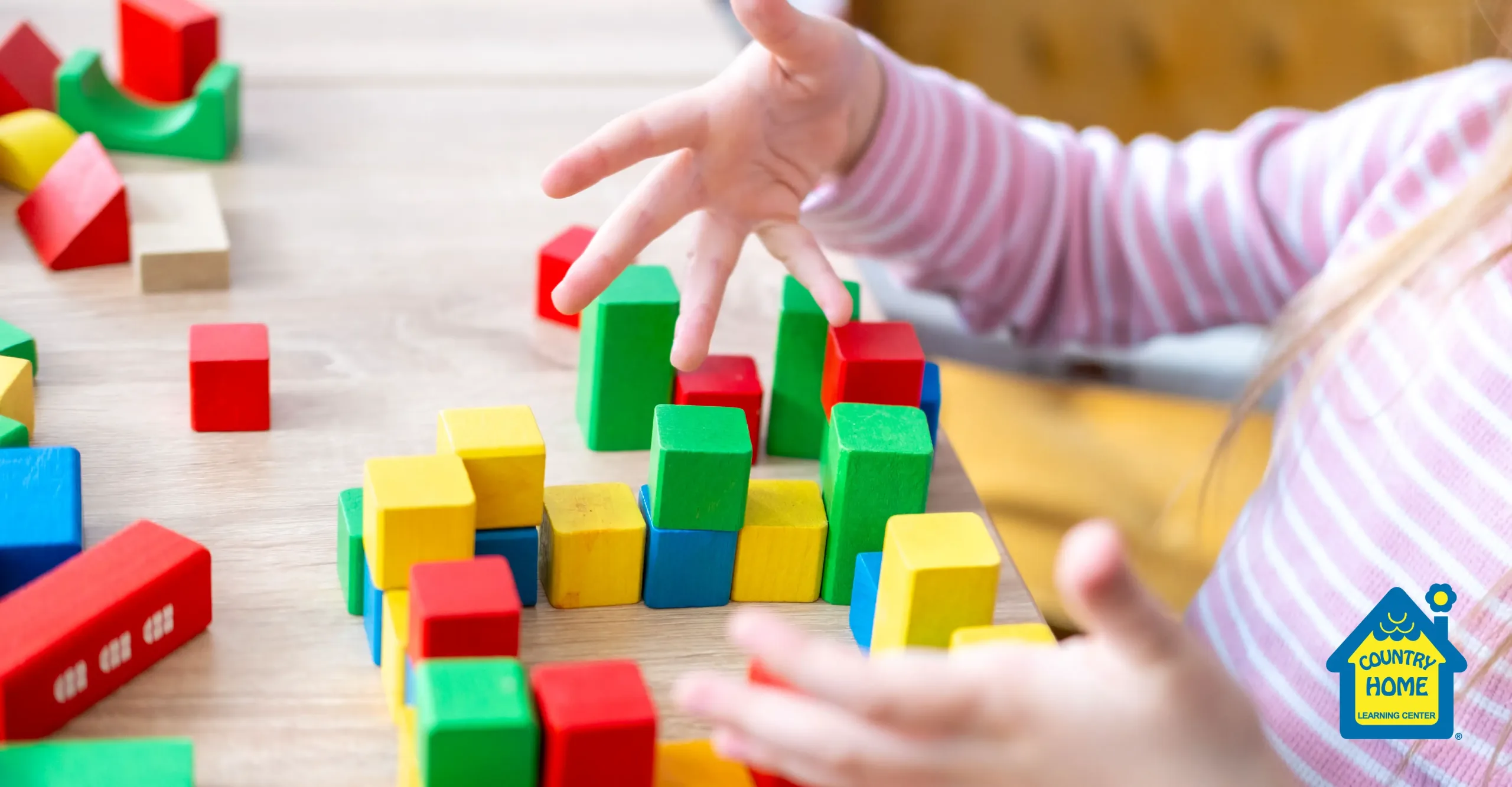
Children overcome challenges during play by exploring, experimenting, and strategizing. Whether this involves stacking blocks or coming up with rules during games, kids test hypotheses and adapt their thinking accordingly during discovery-driven experiences. This helps them build cognitive flexibility and logical reasoning, which are two critical skills tied to academic success later in life, says the NIH.
Playtime Enhances Executive Function and Memory
Executive function includes skills such as:
- Planning
- Working memory
- Self-control
Such skills can be enhanced through rule-following, turn-taking, and delayed gratification, which in turn helps kids organize their thoughts, manage their attention span, and deal with challenges. Studies show that unstructured play boosts executive functioning compared with strictly structured tasks. Likewise, kids can enhance their memory skills through storytelling and sequencing activities.
Playtime Fosters Creativity and Imagination
Imaginative or pretend play, such as dressing up or storytelling, encourages kids to envision new worlds, promoting divergent thinking. Research connects symbolic play to advanced creative thinking and reasoning abilities. As they pretend and build new worlds, they are also building neural connections that support problem-solving, narrative thinking, and emotional regulation.
Playtime Supports Learning Through Sensory Play
Children explore cause-and-effect and practice manual skills any time they play with blocks, puzzles, clay, or even household items. Not only do they begin to understand spatial relationships, they build cognitive skills such as sequencing, pattern recognition, and spatial reasoning, according to the National Institute For Play.
Playtime Bolsters Language and Communication Skills
Dialogue is a key segment to any pretend play scenarios, from puppet shows to dress up. While engaging with peers or caregivers, children are actively practicing their vocabulary, grammar, and storytelling, which naturally builds language skills. Research shows that free and imaginative play can support strong oral communication and language comprehension development. Encourage talking and explaining steps as children work through their playtime to further build those skills.
Playtime Supports Cognitive Health Through Social Play
Physical activity brings many benefits to children in terms of cognitive development. Physical play:
- Develops motor skills and coordination
- Stimulates oxygen flow to the brain
- Improves focus and learning capacity
In fact, movement-based play helps kids improve their concentration and academic readiness, while social and dramatic play encourages collaborative problem-solving. Considering others’ perspectives is a key skill kids need to grow into empathetic adults. They can learn this skill when negotiating roles or solving pretend scenarios with friends. These natural adaptations encourage kids to take a step back and think about how others feel in certain situations.
How To Optimize the Cognitive Impact of Play
From unstructured playtime to joint play, here are some ways you, as a caregiver, can maximize the effects of cognitive play in children:
- Unstructured Playtime: Free play should be child-led, choice-based, and imaginative. As opposed to structured activities, free play fosters autonomy, curiosity, and cognitive flexibility.
- Joint Play: Adults should narrate and ask open-ended questions during play to help kids understand spatial and cognitive language.
- Structured and Unstructured Activities: Board games and puzzles are structured activities that support rule-following. Blocks and dress-up are unstructured forms of play that encourage exploration and creativity.
- Stimulating Environments: Caregivers can encourage hands-on exploration by offering art supplies, nature elements, and everyday items. Low shelves and safe spaces can make these tools accessible to kids of all sizes and ages, so they don’t have to ask to use them every time.
Playtime: The Foundation of Cognitive Development
While some people may see playtime as a luxury, a nice-to-have, or a way for kids to blow off steam, it’s much more than that. Playtime forms the foundation of cognitive development, nurturing critical thinking, memory, language, creativity, and social understanding. Indeed, enriching play experiences puts kids on the right track for academic success and emotional resilience later on in life.