
Key Takeaways
- Language development happens gradually, unfolding through everyday interactions, play, and exposure to rich vocabulary.
- Small, consistent efforts make a big impact over time, from narrating daily routines to asking open-ended questions.
- The best way to nurture communication skills is through meaningful conversation, storytelling, reading, and listening.
- Every child develops at an individual pace. Formal lessons have their place, but it’s more important to create a supportive and engaging environment.
It’s common to set goals for self-improvement when the New Year rolls around. However, you don’t have to focus solely on your own goals; you can also set intentions for your child’s growth and learning. As one of the most important foundations for future success, language development influences reading readiness, social relationships, and confidence in expressing ideas.
From learning their first words to embracing storytelling skills, the start of a new year is the perfect time to foster communication in meaningful ways. The key to this lies in consistency as you read, talk to, and engage with your child every day.
Daily Reading
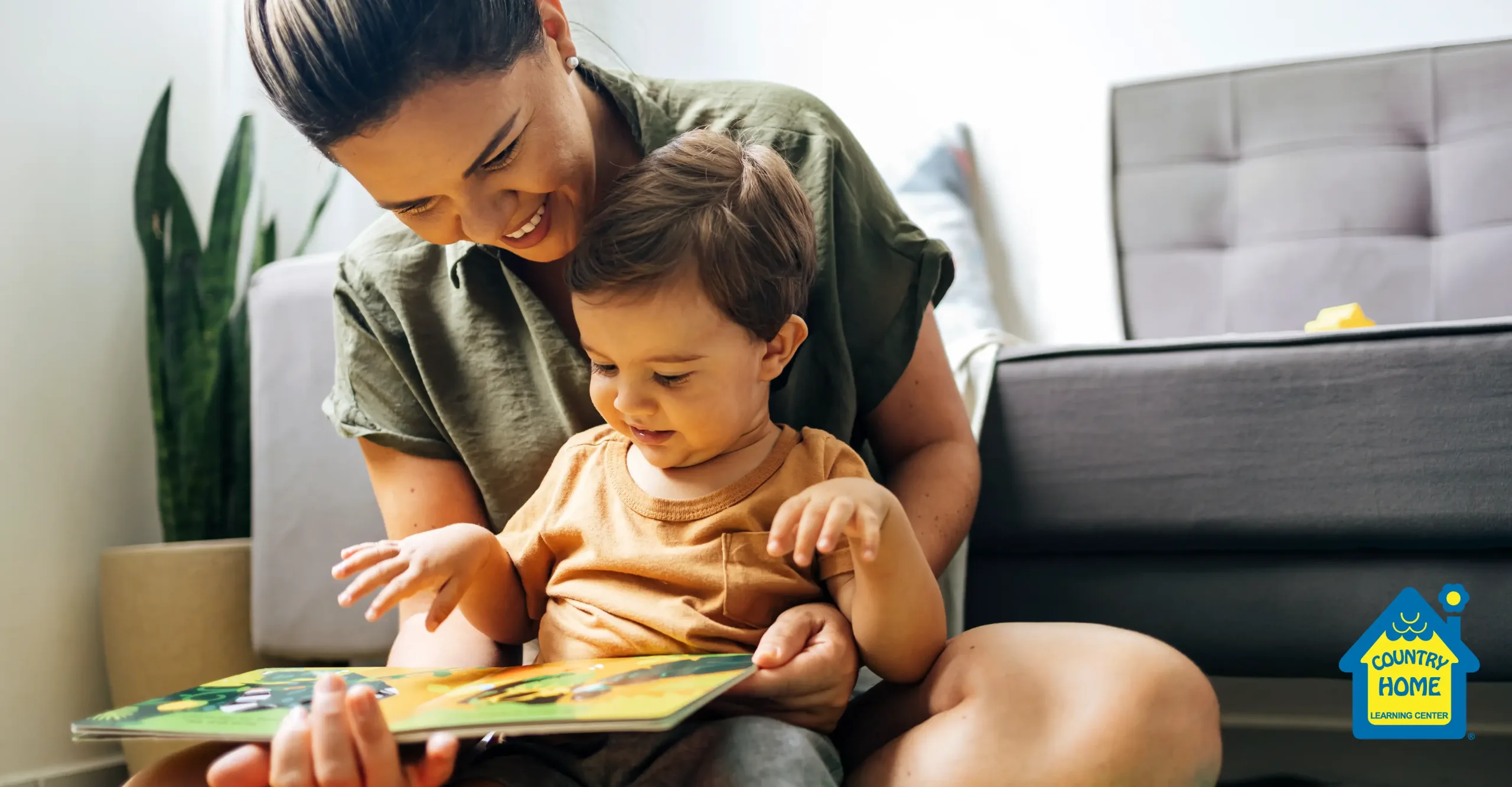
According to Psychology Today, reading aloud from birth is one of the most impactful predictors of literacy and school success. It provides children with their first introduction to new words, story structures, and the rhythm of written language. Choose books that are geared toward their age group, but you can also choose ones that are slightly above their ability. They may not understand each word exactly, but exposure to new vocabulary will slowly expand their comprehension.
While you read, take some time here and there to talk about the story, ask them what they think will happen next, and encourage them to finish sentences. As you turn each page, point to pictures and name objects, discussing the characters and why they made the choices they did.
Everyday Conversation
Conversation: it’s the best way to support language development with children. They learn best when hearing words and sentence structures naturally in everyday dialogue. Use descriptive phrases when in the car, explain the process of baking brownies…these all help introduce language to your little one.
Storytelling and Pretend Play
Build opportunities for children to use language creatively by encouraging pretend scenarios such as pouring water at tea time or building a fort. This is how they put words to objects and learn how to describe actions. Come up with a storyline for their toys, or ask them to explain the rules of a game.
For older kids, have them write or dictate stories so they can connect spoken language with written words. Storytelling builds vocabulary and imagination, which are both building blocks to language growth.
Actively Listen
Language development is about much more than just talking; it’s about listening. It’s important for children to learn that communication is a two-way street. Give them time to speak, then pause to listen. It can be tempting to finish their sentences when they struggle for the words, but try to hang back, listen attentively, and let them finish their thought at their own pace.
All the while, maintain eye contact, nod along, and respond thoughtfully. Kids gain confidence when they know they are truly being heard. Plus, when you give them time to respond, they are encouraged to experiment with new words and phrases.
Bilingual and Multilingual Growth
The new year is an ideal time to pledge to learn different languages. If you speak multiple languages at home, encourage them to do the same. It doesn’t confuse or overload them; in fact, it enriches their brains and explores a vast understanding of communication. Be consistent and use those languages regularly in natural settings, such as through narration at dinner time and reading books together at bed time.
Patient Encouragement
Language development doesn’t happen in a day. It takes time, patience, and encouragement. Whereas one child will pick up language quickly, another may lag behind. The point is you should create a supportive atmosphere where mistakes are not the end of the world and progress is celebrated.
Consistency
Embrace opportunities for language learning wherever you can find them. Talk about flavors at mealtime, point out signs on long car rides, sing nursery rhymes, and play word games. Whatever the case, consistent repetition is key to growth.
It’s best to introduce new words in context rather than drilling your children on vocabulary lists. Try to expose them to diverse experiences as well, whether that’s a visit to a local museum or simply baking together. Firsthand experience is the best way to learn meaningful, memorable words.
Take the new year as a fresh opportunity to connect and communicate with your child, strengthening your bond and building a foundation of curiosity and learning.