

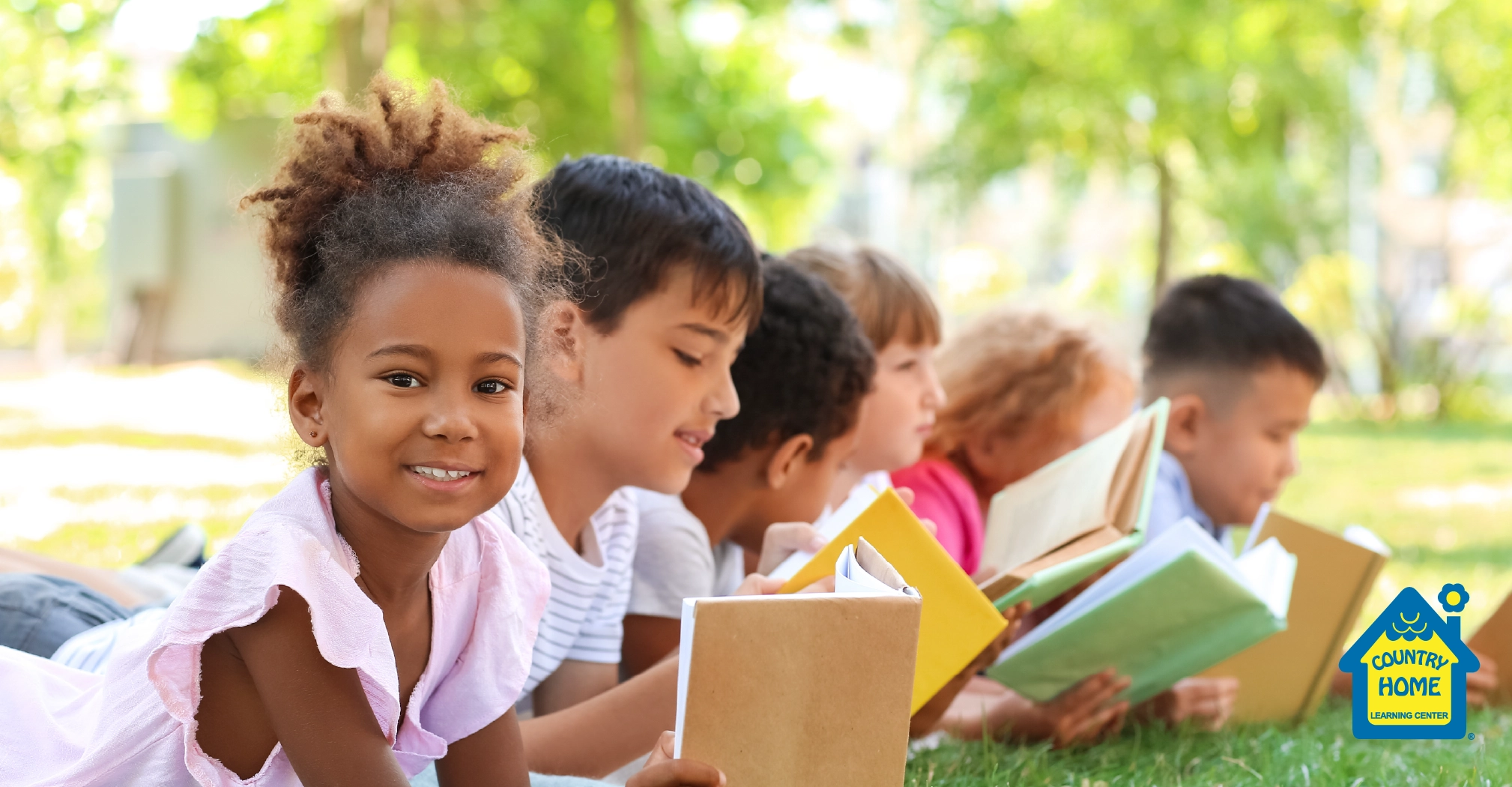
These days, a child’s free time is often consumed by screens, from computers and TVs to video games and phones. On top of that, their structured schedules for school, sports, and activities can also confine them to the indoors a lot. That’s why outdoor education has never been more important.
Outdoor education involves so much more than recess for a half hour a day. It’s a combination of physical activity, exploration, hands-on learning, and social development — all in a natural setting. Learning doesn’t end at the classroom door; outdoor education plays a vital role in raising well-rounded, curious, confident children.
Here’s a look at why outdoor education is so important and how it benefits children of all ages in San Antonio and Austin.
Outdoor education:
Supports Physical Health and Development
The outdoors offers endless opportunities for exploration and physical activity, from climbing trees to jumping in puddles. These activities not only help to strengthen muscles, they improve coordination and gross motor skills. Yes, these activities are vital for healthy physical development, but it helps that they’re fun too.
Regular outdoor activity also supports cardiovascular health and helps children develop positive lifelong habits of exercise. According to Healthy Children, outdoor play time is linked with improved motor development as well as lower obesity rates; in addition, it gives kids the vitamin D they need to stay healthy and strong.
Encourages Curiosity
The natural world acts as a living, breathing classroom, sparking curiosity in kids who are challenged to explore the world around them. Kids develop foundational science skills through experimentation, inquiry, and observation, fostering a lifelong love of learning while building critical thinking skills.
Boosts Emotional Well-Being
Being immersed in nature can have a calming, restorative effect on the mind. Studies show that children who spend time outdoors have lower stress and anxiety levels. Exposure to natural light is also important. Studies show that sunlight triggers the release of vitamin D and serotonin, which are both linked with boosting mood and focus while reducing stress. Without enough sun, those levels can drop, resulting in symptoms of anxiety, depression, and other mental health challenges. When spending time in nature, kids can take a break from screens and artificial environments so that they can reset mentally and emotionally.
Promotes Social Skills
Outdoor settings provide ample opportunity for social interaction that may not otherwise happen in structured indoor environments. Children tend to collaborate more naturally in play, as they communicate freely during group activities while learning conflict resolution skills. They can learn the foundations of teamwork, compromise, and leadership on the playground, thanks to group games like tag, scavenger hunts, or playing in the sandbox.
Indeed, unstructured social interactions help kids hone listening skills and develop empathy, both of which they will need to achieve success in school and life.
Fosters Independence
Kids are challenged to try new things when exposed to the outdoors. From taking appropriate risks to making independent decisions, children can learn to trust themselves and their abilities. When they can overcome obstacles in nature, they can build up their confidence, enjoying a sense of accomplishment from simple tasks such as skipping rocks in a pond or watching a deer from afar.
Improves Academic Performance
Nature offers an engaging and low-distraction environment that can help kids of all ages get focused, reset their attention spans, and stimulate their brains. Studies show that even a half an hour a day of exercise helps kids focus and feel better.
Inspires Creativity
The sky’s the limit in nature. A log across a stream becomes a balance beam at the Olympics, a stick becomes a magic wand, a shiny rock turns into a treasure. Outdoor play boosts the imagination in ways indoor play can’t always do. Kids are free to come up with new stories, invent games, and use materials in nature in open-ended ways.
Creative thinking isn’t just good for artistic expression; it’s also essential in developing problem-solving, emotional development, and innovation.
Links Learning Across All Subjects
Outdoor education connects subjects in ways that a child can understand. Taking a walk around the neighborhood, for instance, can expose them to science (observing plant life), math (counting acorns), language arts (journaling about observations), and art (making leaf rubbings).
In conclusion, the benefits of outdoor learning go far beyond the classroom, encouraging building strong bodies and minds as well as fostering curiosity and compassion.