
Key Takeaways
- Preschool helps children recognize, express, and manage their emotions in healthy ways.
- Social-emotional learning is an important part of early childhood education.
- Children learn skills such as empathy, cooperation, self-control, and problem-solving through daily interactions.
- Teachers help guide children through emotional challenges using age-appropriate strategies.
- Learning emotional skills early can support future academic success and positive relationships.
- Preschool provides a safe environment for children to practice navigating big feelings.
From excitement and joy to frustration and disappointment, young children tackle a wide variety of emotions every single day. These feelings are a normal part of development for preschoolers, but learning how to manage them is key. It’s also a skill that takes time and guidance, so don’t worry if it doesn’t happen overnight.
Since 1982, locally owned Country Home Learning Center has helped children throughout the Austin area build the skills needed for both academic and personal growth. For families in communities such as Circle C Ranch, Shady Hollow, Anderson Mill, Cedar Park, Lakeline, and surrounding neighborhoods, preschool programs provide opportunities for children to learn far more than academics alone.
In fact, social-emotional learning helps children understand their feelings, build positive relationships, and develop important life skills that extend far beyond the classroom.
Importance of Emotional Development in Early Childhood
Children develop rapidly during the preschool years, both socially and emotionally. They are busy learning how to interact with peers, follow routines, communicate their needs, and respond to new situations.
At the same time, they are starting to identify and understand their emotions.
Children who develop strong emotional skills can more easily:
- Build friendships
- Follow directions
- Solve problems
- Handle frustration
- Express their needs appropriately
- Adapt to new environments
Learning How to Identify Feelings
One of the first steps in emotional development is learning to recognize emotions. Many preschool classrooms introduce emotional vocabulary through:
- Storybooks
- Group discussions
- Visual emotion charts
- Songs and activities
- Daily conversations
To help students connect emotions with experiences and behaviors, teachers can ask targeted questions such as “How are you feeling today?”, “What made you feel happy?”, and “Why do you think that character feels sad?”.
Indeed, putting a name to feelings helps nurture emotional growth.
Developing Self-Regulation Skills
Young children are learning how to manage strong emotions, and the preschool environment provides many opportunities to practice self-regulation in a supportive environment.
Self-regulation skills may include:
- Waiting for a turn
- Following classroom routines
- Managing disappointment
- Learning to calm down after frustration
- Listening to instructions
- Transitioning between activities
Teachers often use the following age-appropriate strategies to aid these processes:
- Deep breathing exercises
- Calm-down corners
- Visual schedules
- Positive reinforcement
- Guided problem-solving
Building Empathy Through Daily Interactions
Preschool classrooms naturally create opportunities for children to develop empathy — the ability to understand and care about how others feel — through:
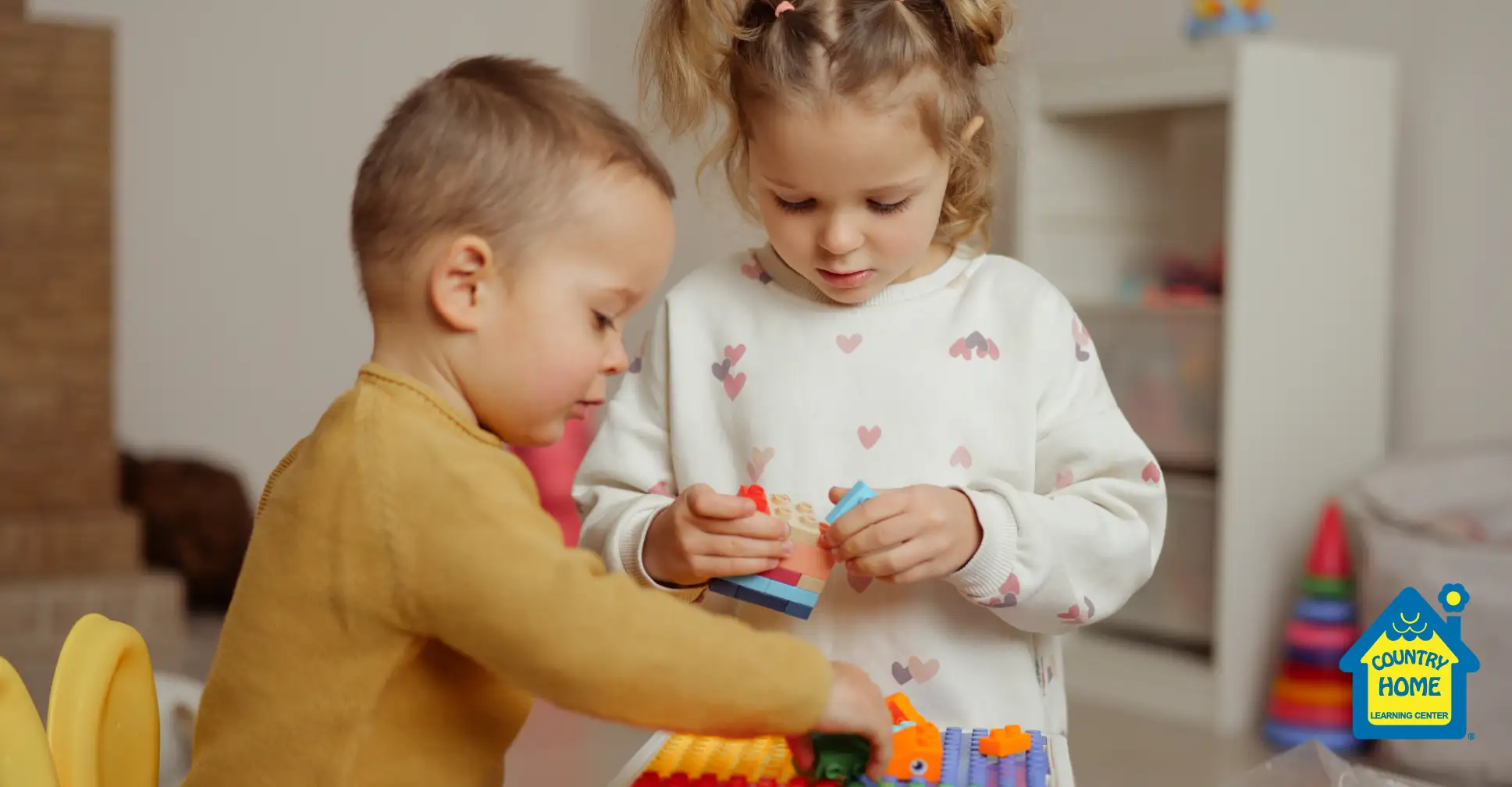
- Cooperative play
- Group projects
- Shared activities
- Storytelling
- Conflict resolution
Over time, children learn that their actions affect others and that kindness and understanding can strengthen relationships.
Learning How to Work Through Conflicts
Disagreements are a normal part of childhood, and they can actually lead to valuable learning opportunities. Rather than solving every problem for children, preschool teachers should guide them through age-appropriate conflict resolution so they can:
- Use words to express feelings
- Listen to another person’s perspective
- Take turns
- Share materials
- Find compromises
- Apologize when appropriate
Gaining Confidence Through Independence
Emotional growth and self-confidence are connected in deep ways. The preschool setting encourages children to develop independence so they can:
- Make good choices
- Complete simple tasks
- Participate in classroom responsibilities
- Try new activities
- Solve minor challenges on their own
When children learn how to overcome challenges and handle new situations, they often become more willing to take healthy risks and explore new opportunities.
Understanding Classroom Routines & Expectations
Predictable routines help children feel safe and secure. That’s why so many preschool programs follow consistent daily schedules that include:
- Arrival routines
- Circle time
- Learning activities
- Outdoor play
- Meals and snacks
- Rest periods
- Group activities
Knowing what to expect throughout the day can reduce anxiety and help children develop a sense of control and confidence.
Research from the Harvard Center on the Developing Child highlights the importance of stable, supportive environments in helping young children develop healthy emotional and cognitive skills.
Social-Emotional Learning in Austin Area Preschool Programs
Families searching for a daycare or preschool near Circle C Ranch, Shady Hollow, 78739, or 78749 should choose one that values social-emotional development in addition to academics.
Likewise, parents looking for preschool programs near Anderson Mill, Cedar Park, or Lakeline typically seek an environment where children can build confidence, learn to communicate effectively, and develop healthy relationships.
Strong preschool programs help children practice emotional skills every day through guided activities, classroom routines, group interactions, and supportive teacher relationships.
Practicing Social Skills Every Day
Social-emotional learning is a big part of a preschooler’s day as they practice:
- Greeting others
- Sharing materials
- Taking turns
- Cooperating in groups
- Expressing emotions appropriately
- Respecting boundaries
- Building friendships
These interactions help children develop skills that support future success both inside and outside the classroom.
How Teachers Support Emotional Growth
Preschool teachers play an important role in helping children navigate emotions, placing a priority on:
- Modeling positive behavior
- Encouraging open communication
- Validating children’s feelings
- Teaching coping strategies
- Creating supportive classroom environments
- Helping children develop healthy relationships
By providing guidance and consistency, teachers help children build the confidence needed to manage emotions independently over time.
Emotional Skills That Last Beyond Preschool
The emotional skills children develop during their preschool years will stay with them as they grow older, strengthening:
- Kindergarten readiness
- Academic performance
- Friendship development
- Communication abilities
- Self-confidence
- Problem-solving
- Adaptability
Learning how to understand and manage emotions is an important part of preparing children for future success.
If you are exploring preschool options in Southwest Austin, Northwest Austin, Circle C Ranch, Shady Hollow, Anderson Mill, Cedar Park, Lakeline, 78739, or 78749, prioritizing programs that support social-emotional development can provide valuable insight into the overall learning experience. An interactive tour is a great way to do that.
FAQs About Social-Emotional Learning in Preschool
Q: What is social-emotional learning in preschool?
A: Social-emotional learning helps children understand emotions, build relationships, develop self-control, and learn how to interact positively with others.
Q: Why is emotional development important for young children?
A: Emotional development helps children build confidence, manage feelings, develop friendships, and navigate new situations successfully.
Q: How do preschool teachers help children manage emotions?
A: Teachers use age-appropriate strategies such as guided conversations, positive reinforcement, conflict resolution, and calming techniques to support emotional growth.
Q: Can preschool help shy children become more confident?
A: Many children gain confidence in preschool through structured social interactions, classroom routines, and opportunities to build independence.
Q: What are examples of emotional skills children learn in preschool?
A: Children often learn empathy, patience, self-control, cooperation, communication, and problem-solving skills.
Q: How does play support emotional development?
A: Pretend play allows children to practice sharing, taking turns, expressing feelings, solving conflicts, and building relationships in a natural way.
Q: How can parents support social-emotional learning at home?
A: Parents can encourage emotional growth by talking about feelings, modeling positive behavior, maintaining routines, and helping children work through challenges constructively.