

The choice of where to send your child to daycare or preschool is an important one that takes considerable reflection. The choice goes well beyond convenience or cost; parents must also think about the values they want their child to be surrounded with. After all, this is an important time in a young person’s life as they spend their days learning, growing, and forming foundational relationships.
Whether you’re a first-time parent or a seasoned pro who just wants to switch things up, the process can feel overwhelming. Here’s what to consider when evaluating a daycare or preschool for the right fit.
Safety and Cleanliness
A reputable daycare or preschool should have:
- Secure entrances and exits
- Childproofed areas
- Clearly communicated emergency procedures
- Visible signs of cleanliness, i.e., sanitized toys, clean restrooms
- Clear health policies, i.e., frequency of cleanings, protocol for sick children or staff members, monitoring of food and allergies
Staff Qualifications and Experience
The staff forms the foundation of any quality daycare. Make sure teachers and caregivers are experienced and qualified, with a demonstrated passion for early childhood education. Don’t be afraid to ask about staff credentials, certifications in CPR and first aid, and training in continuing education.
Next, observe the following:
- How do caregivers interact with the children?
- Are they patient and attentive?
- Do they speak gently directly to the child?
It’s just as important to have a nurturing relationship between teacher and child as it is to have technical credentials.
Age-Appropriate Curriculum
A daycare center isn’t just about babysitting kids while mom and dad are at work. It includes structured, age-appropriate learning for the development of each child. The curriculum and daily schedule should reflect this commitment, containing time for language development, sensory play, social interaction, and fine motor skills.
Low Child-to-Teacher Ratio
No one wants their child to get lost in a sea of students. That’s why you should be on the lookout for a low child-to-teacher ratio. This ensures each child is getting the attention and care they need to thrive. Smaller ratios not only foster stronger relationships, they ensure better supervision and a customized learning experience. Be sure to ask about the average number of children per classroom.
Clean, Inviting Environment
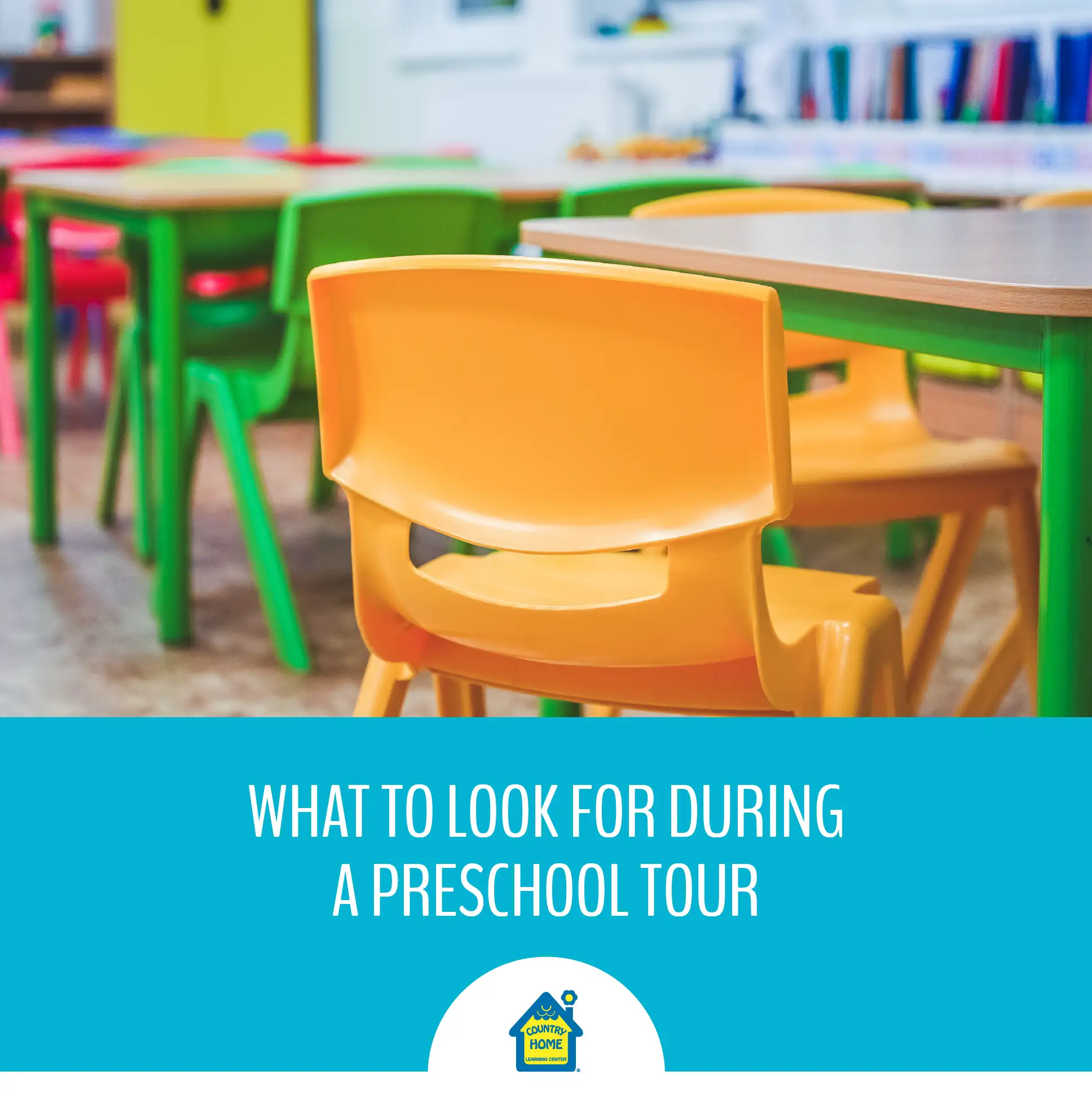
An inviting and purposeful classroom should be organized, contain age-appropriate toys and materials, and be zoned to accommodate different types of activities (i.e., reading, pretend play, art). Outside, look for safe, shaded play areas with plenty of space to run and explore. Bright, cheerful, and expansive environments gives kids the motivation and excitement to come back day after day.
History and Reputation
The history and reputation of any Austin daycare center is integral to the decision making process. Ask how long the center has been in business, how many locations they have, and what the staff turnover is. A stable, experienced team reflects a good work ethic, which in turn gives kids a stable environment in which to grow. Check out online reviews and ask other parents about their experiences regarding the school’s strengths, weaknesses, and culture.
Communication and Transparency
Consistent, open communication is essential between parents and staff. A center that values parental involvement is something to strive for, so be sure to ask about how staff members stay in touch with parents. Many schools have apps or digital platforms where teachers and parents can share photos, lesson plans, and messages; others prioritize in-person conversations and regular meetings.
Flexibility
The quality of the education is certainly a main priority when looking for a daycare. However, logistics are also important. Find out the hours of the daycare, what the policy is for late pickups, whether meals and snacks are included, and whether the center closes for holidays. Knowing the answers to these questions will help you as a parent or caregiver manage your daily work and family commitments.
Choose a preschool that fits your family’s schedule and lifestyle, while considering practical matters such as location, tuition structure, and sibling discounts.
Instinct
Don’t ignore your gut feelings after touring a facility. Beyond any information you glean from the staff, that feeling you get as you are touring should never be ignored. Were you welcomed warmly by staff? Did you notice compassionate and gentle interactions between teachers and students? Did the kids all look happy? Was your own child happy and comfortable checking the place out? Trust your gut when all else is equal and choose the center that feels right for your family.