
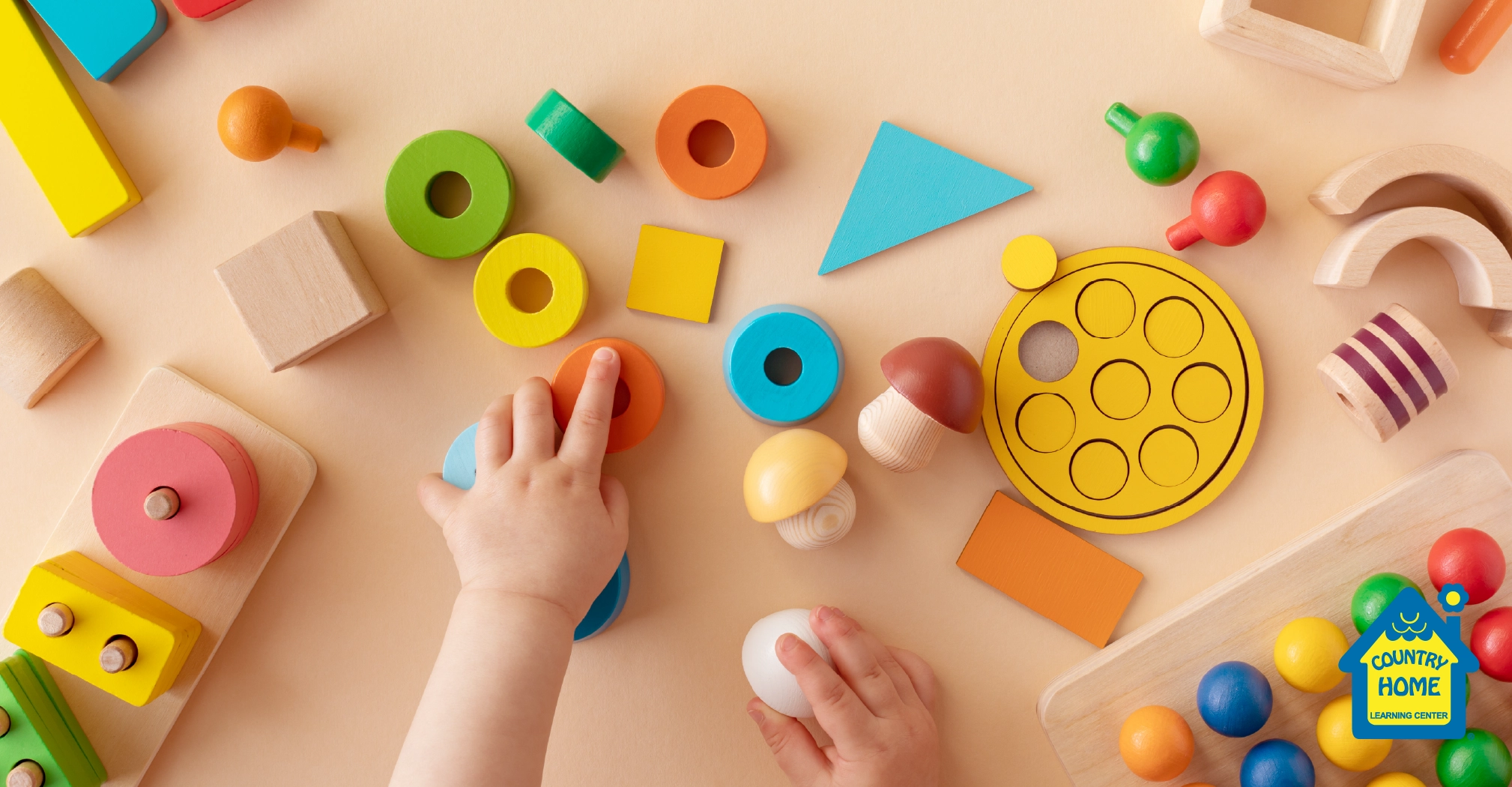
An important component of early childhood development, sensory play is particularly so for toddlers. That’s because their brains and bodies are growing and evolving rapidly. The play they’re engaging in should involve activities that stimulate their senses—sight, sound, touch, taste, and smell—so as to help them understand and interact with the world around them.
Sensory play is fun for them, to be sure, but it also forms a foundation of essential cognitive, motor, and social skills. Here’s why sensory play in toddlers is so crucial, and why parents, caregivers, and educators should create enriching environments that support this early development. Our San Antonio and Austin facilities work hard to continuously enrich our toddlers’ lives every day they are with us through the joy of play.
Cognitive Development and Brain Growth
During the toddler years, a child’s brain undergoes rapid development; as such, these early years are a prime learning time. Sensory play helps toddlers create connections between their senses and the world around them. This essentially builds pathways in the brain that aid in understanding cause and effect, problem-solving, and memory.
Sensory play is also calming for young children because it helps them to regulate their internal discomfort, whether that is arising from restlessness, boredom, or some other type of agitation, points out Parents.
Language Development
As toddlers take part in sensory experiences, they get exposure to new words, concepts, and ways to describe their environment. Their experiences help them form associations between words and their world, reinforcing both vocabulary and understanding.
This kind of play also helps toddlers express their feelings and observations. Whether they show excitement while playing with water or frustration while stacking blocks, sensory activities give them valuable chances to use language to talk about their emotions and actions. As a result, this helps broaden their vocabulary and fosters the development of social communication skills that will benefit them in the future.
Fine and Gross Motor Skills
- Fine motor skills are the small movements of the hands and fingers, such as manipulating objects, grasping, and pinching.
- Gross motor skills involve larger movements, such as jumping, running, or balancing.
Activities such as pouring, sorting, pinching, or molding dough can help toddlers refine their fine motor skills, which in turn improves hand-eye coordination and muscle control.
Emotional Regulation and Self-Control
Toddlers often experience strong emotions but don’t know how to express or manage them in a healthy or productive way. Sensory activities can help regulate these emotions. How? They provide calming, focused experiences to increase mindfulness and relaxation.
By engaging in sensory play, toddlers learn how to self-soothe and deal with different emotions, a critical life skill that they will need as they grow.
Creativity and Imagination
Sensory activities provide toddlers with the freedom to explore and create freely. It’s a flexible type of play that allows children to accomplish tasks in their own unique ways, making the experience more personal and creative. This is unlike structured play involving specific instructions.
Sensory Processing Skills
Sensory processing is the brain’s ability to receive and interpret sensory information from the environment. Some toddlers may find it challenging to process sensory information, which can have an impact on their behavior, learning, and social interactions.
Sensory play ensures toddlers get more comfortable with a range of sensations. This in turn can make them more adaptable to different environments and situations. By offering a variety of sensory experiences—such as experimenting with various textures, sounds, or smells—toddlers can build the skills they need to more effectively understand and process sensory input.
Social and Cooperative Skills
Sensory play provides the opportunity to interact with others, fostering social and cooperation skills. Whether it’s taking turns in a group activity, sharing toys, or working together to build a house of blocks, sensory play can help toddlers develop an understanding of social dynamics.
As you can see, sensory play is an essential part of a toddler’s development. Not only does It provide interactive ways for children to explore their world, this type of play strengthens their cognitive, emotional, and physical abilities. On top of that, it gives toddlers the tools they need to build social, language, and creativity skills. When you encourage sensory play, you are forming the foundation of your toddler’s future success!
Book a Tour of Country Home Learning Center Today
We love sensory play in our toddler rooms! Contact us today to schedule a tour of our facilities in San Antonio or Austin and see how integral play is to the development of our toddlers and all students.